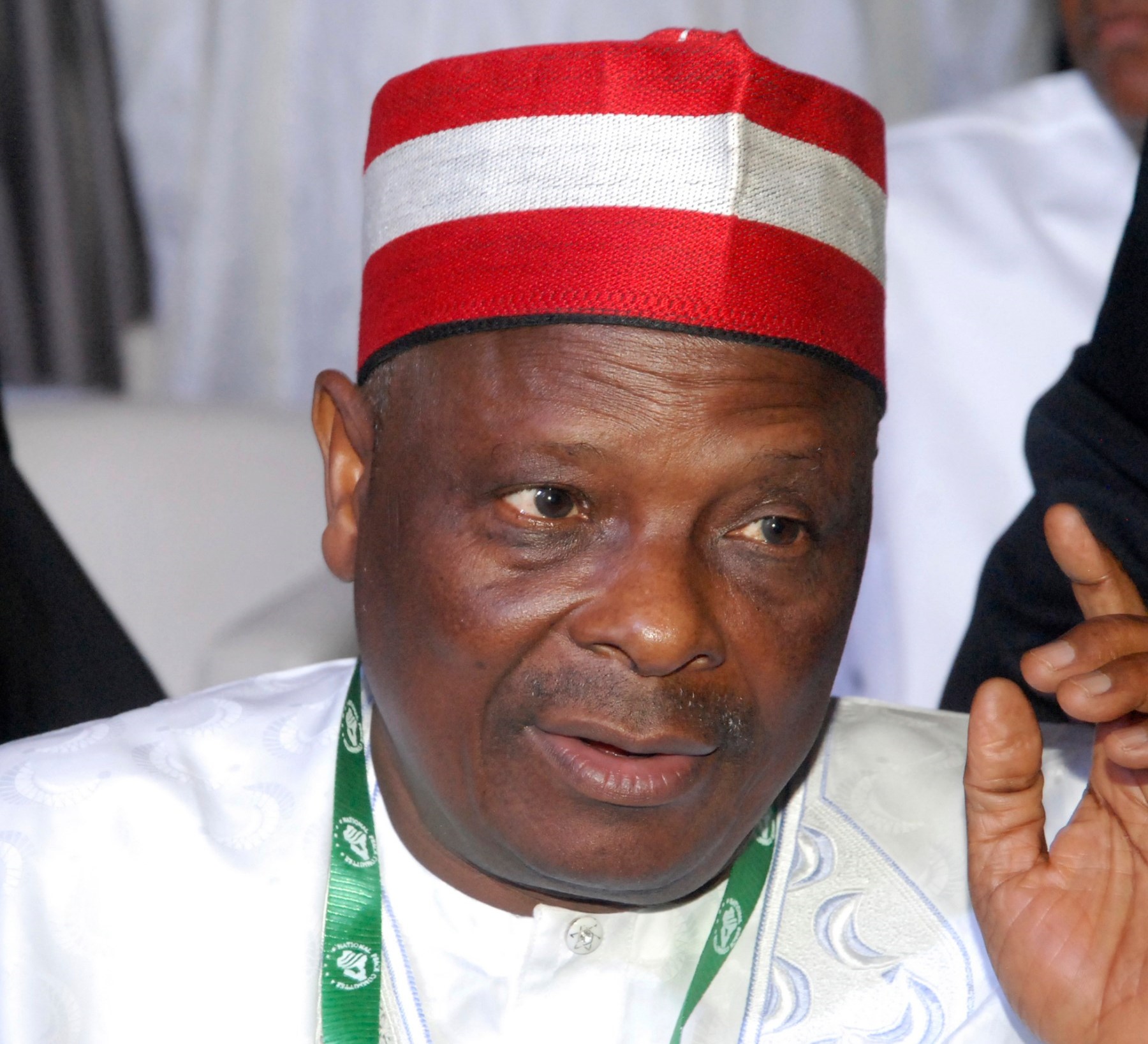





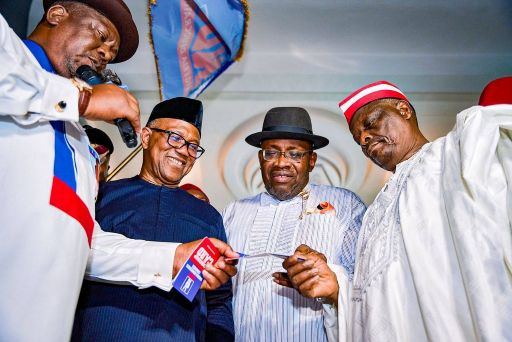
The exit of Peter Obi and Rabiu Kwankwaso from the African Democratic Congress (ADC) has triggered a wave of defections that is reshaping Nigeria’s opposition politics ahead of the 2027 elections.
Their switch to the National Democratic Congress (NDC) has already drawn 17 House members and a senator, weakening the ADC’s presence in parliament and altering the balance of power among opposition parties.
On Sunday, Obi and Kwankwaso formally joined the National Democratic Congress, a move that quickly attracted lawmakers from Kano, Anambra, Lagos, Edo, Rivers, and Kogi States.
Deputy Speaker Benjamin Kalu, who presided over Tuesday’s plenary, read letters from defectors citing “unresolved crisis starting from the ward to the national level” as their reason for leaving the ADC.
Among those who crossed over were Yusuf Datti, Sani Adamu, Zakari Mukhtari, Kamilu Ado, Harris Okonkwo, George Ozodinobi, Lilian Orogbu, Peter Anekwe, Emeka Idu, Ifeanyi Uzokwe, and Afam Ogene. Lagos lawmakers Thaddeus Attah, Oluwaseyi Sowunmi, George Olwande, and Jese Onuakalusi also defected, alongside Murphy Omroruyi from Edo and Umezuruike Manuchim from Rivers.
Meanwhile, Kogi lawmaker Leke Abejide left the ADC for the ruling APC, underscoring the scale of the realignment.
ADC’s Decline And PDP’s Struggles
The ADC, once buoyed by Obi and Kwankwaso’s influence, now faces a steep decline. From 24 House members last week, it is left with just six.
Senate President Godswill Akpabio mocked the party during plenary, declaring, “I think ADC is dead.” He joked about lawmakers defecting multiple times in a month, saying, “How many times can you defect in a month? Once. But some have done three times.”
The Peoples Democratic Party (PDP), still the largest opposition bloc, has also suffered losses. From 116 members at the start of the 10th Assembly in June 2023, it now holds only 29 seats.
Umeh And Kwankwasiyya Loyalists Join NDC
Senator Victor Umeh confirmed his resignation from the ADC on May 1, citing “lingering divisions in the leadership and unending litigation.”
He said, “I remain committed to making my contributions towards the development of our dear nation, but this time through the NDC.”
In Kano, members of the Kwankwasiyya movement began leaving the ADC. Spokesperson Mansur Kurugu revealed that former Deputy Governor Aminu Gwarzo and several House members had already joined the NDC.
After a meeting with Kano NDC Chairman Hussaini Mairiga, Kwankwaso was recognised as leader of the party in the state.
Mairiga said, “We had a fruitful discussion… all lingering issues have been amicably resolved in the interest of unity and progress.”
Despite the defections, ADC’s National Publicity Secretary Bolaji Abdullahi insisted the party remains intact. “The people who left are idol worshippers, following their idols… but the core structures of our party remain intact,” he said.
In Rivers State, ADC Chairman-elect Dr Chukwudi Dimkpa echoed this, declaring, “The strength of the party lies not in individuals, but in its values, structures, and the collective will of the people.”
Yet with Obi and Kwankwaso consolidating influence in the NDC, and aspirants in Anambra and other states abandoning the ADC, the opposition map is being redrawn.

 WhatsApp Channel
 Telegram Channel