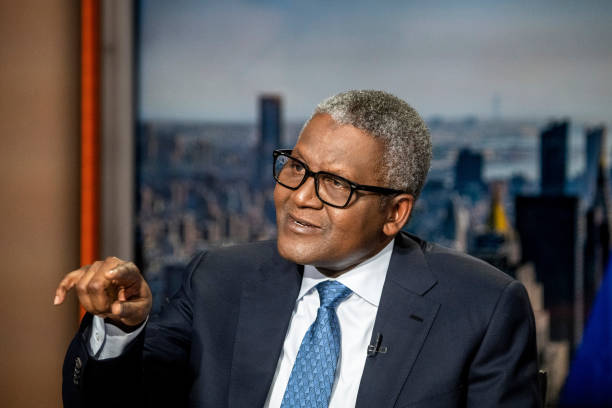

Nigeria’s biggest local investor, Aliko Dangote, is preparing to launch Africa’s largest initial public offering as Dangote Petroleum Refinery & Petrochemicals moves to raise up to $5 billion from investors.
The share sale could open as early as May, with valuations between $40 billion and $50 billion, making it one of the most significant capital market events in Africa’s history.
“Nigeria has the talent, the market, and the ambition. What it has lacked is the backbone infrastructure to connect that potential to opportunity,” Dangote said in a recent update.
The IPO is expected to cover between 5% and 10% of the company’s equity, creating opportunities for both local and international investors.
The Nigerian Exchange Group and the African Securities Exchanges Association convened senior executives on April 1 to discuss how the listing could serve as a model for cross-border capital mobilisation.
Financial advisers have been appointed to manage different segments of the offering. Stanbic IBTC Capital will coordinate international placements, Vetiva Capital Management will oversee retail distribution in Nigeria, and FirstCap will handle institutional investors, particularly pension funds.
Refinery Operations And Expansion
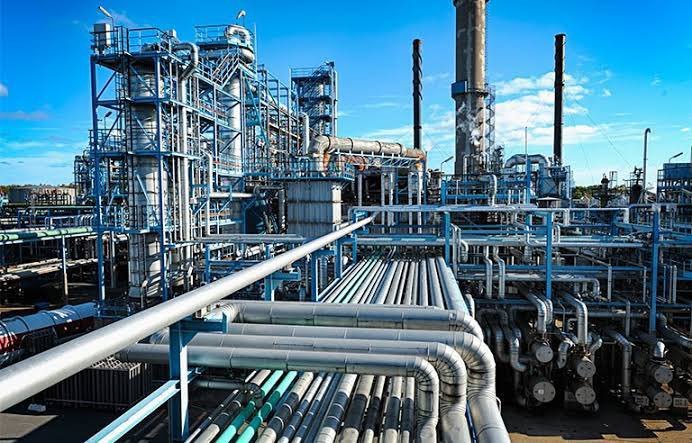
Located in the Ibeju Lekki Free Zone, the refinery is the world’s largest single-train crude processing facility.
Built for $20 billion, it was commissioned in 2023 and began operations in early 2024.
It currently processes about 650,000 barrels of crude per day, meeting between 35% and 50% of Nigeria’s petrol demand while exporting to several African countries.
Beyond fuel, the facility produces three million metric tonnes of urea annually, supporting agriculture across the continent.
Expansion plans include boosting polypropylene output, vital for packaging, textiles, and consumer goods.
“Multiple cargoes of petrol were shipped to regional markets within a single month, reflecting growing demand,” Dangote confirmed.
Economic Impact And Investor Confidence
The African Export-Import Bank has underwritten $2.5 billion of a $4 billion syndicated loan, while the EU has provided a €22 million grant.
The International Monetary Fund estimates the refinery could raise Nigeria’s non-oil GDP by 1.5% and boost foreign reserves by $5.5 billion.
More than 150,000 jobs have been created directly and indirectly, with thousands of engineers trained through the project.
Regulators are reviewing a share structure that would allow investors to buy shares in naira while receiving dividends in US dollars, a model designed to attract foreign investors and reduce currency risk.
According to BusinessDay, the company is expected to submit its prospectus in April, followed by a nationwide investor roadshow.
Trading could begin on the Nigerian Exchange’s main board between June and July, depending on approvals.
Rate, Like 👍, Comment 💬, Share this article, Follow us on our social media handles, and Submit your own story to get featured and earn rewards!
 WhatsApp Channel
 Telegram Channel