

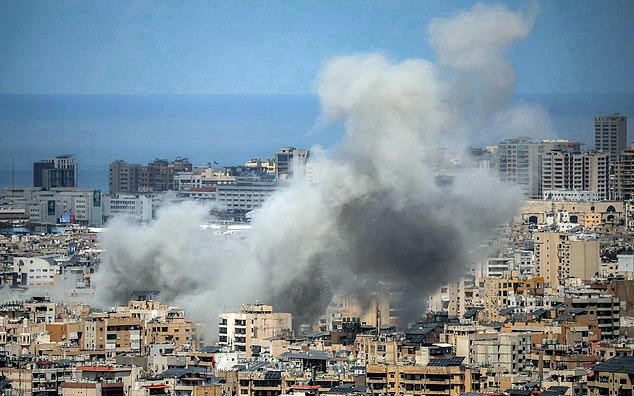
A draft proposal for a 45-day ceasefire between Iran and the United States has been delivered to both sides, as fresh strikes and rising casualties deepen fears of a prolonged war.
The proposal, sent late Sunday to Iranian Foreign Minister Abbas Araghchi and U.S. envoy Steve Witkoff, seeks to reopen the Strait of Hormuz and create space for negotiations.
Meanwhile, mediators from Egypt, Pakistan and Turkey are pushing for urgent talks, hoping the temporary truce could lead to a lasting agreement.
“The proposal aims to create a 45-day window for serious negotiations toward a permanent ceasefire,” officials familiar with the talks told Associated Press.
However, neither Tehran nor Washington has issued an official response as tensions continue to rise across the region.
Ceasefire Plan Faces Uncertainty Amid Escalation
The proposal arrives as violence intensifies, with fresh airstrikes across Iran reportedly killing over 25 people between Sunday and Monday.
Meanwhile, in Israel’s Haifa, two people were confirmed dead while others remain missing after retaliatory attacks linked to Iran.
“In the event of an emergency, we must know who may be staying abroad for an extended period,” one official said in a separate defence context, reflecting broader regional anxiety.
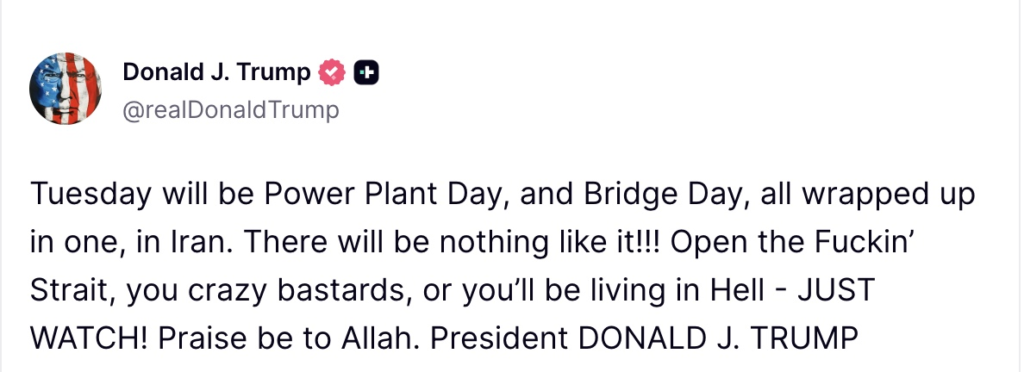
U.S. President Donald Trump also escalated rhetoric, warning of imminent strikes on Iran’s infrastructure if key shipping routes remain blocked.
“Tuesday will be Power Plant Day, and Bridge Day, all wrapped up in one, in Iran,” Trump said in a social media post.
Consequently, the Strait of Hormuz—vital for global oil supply—has become a central flashpoint in the conflict.
Targeted Killings And Regional Fallout Deepen Crisis
Israel confirmed the killing of Maj. Gen. Majid Khademi, intelligence chief of Iran’s Revolutionary Guard, in a targeted attack near Tehran.
“We will continue to hunt them down one by one,” Israeli Defence Minister Israel Katz said.
Iran blamed the United States and Israel for the strike, while multiple air raids hit residential areas around its capital.
Furthermore, the conflict has begun spilling beyond the two nations, with a drone strike damaging a telecommunications building in the United Arab Emirates.
“No injuries were recorded,” officials said, even as regional infrastructure faces growing risk.
The war, which began on February 28 with joint U.S.-Israel strikes, has already disrupted global markets and triggered spikes in fuel prices.
Iran has insisted it will not halt operations without financial compensation and security guarantees.
Meanwhile, international observers have warned of possible violations of humanitarian law as civilian areas come under repeated attack.
“We must ensure accountability where civilians are targeted,” rights advocates have said in response to the escalating violence.
While diplomacy is trying to catch up with battlefield realities, the proposed ceasefire is a fragile opportunity for peace in this increasingly volatile conflict.
Rate, Like 👍, Comment 💬, Share this article, Follow us on our social media handles, and Submit your own story to get featured and earn rewards!