


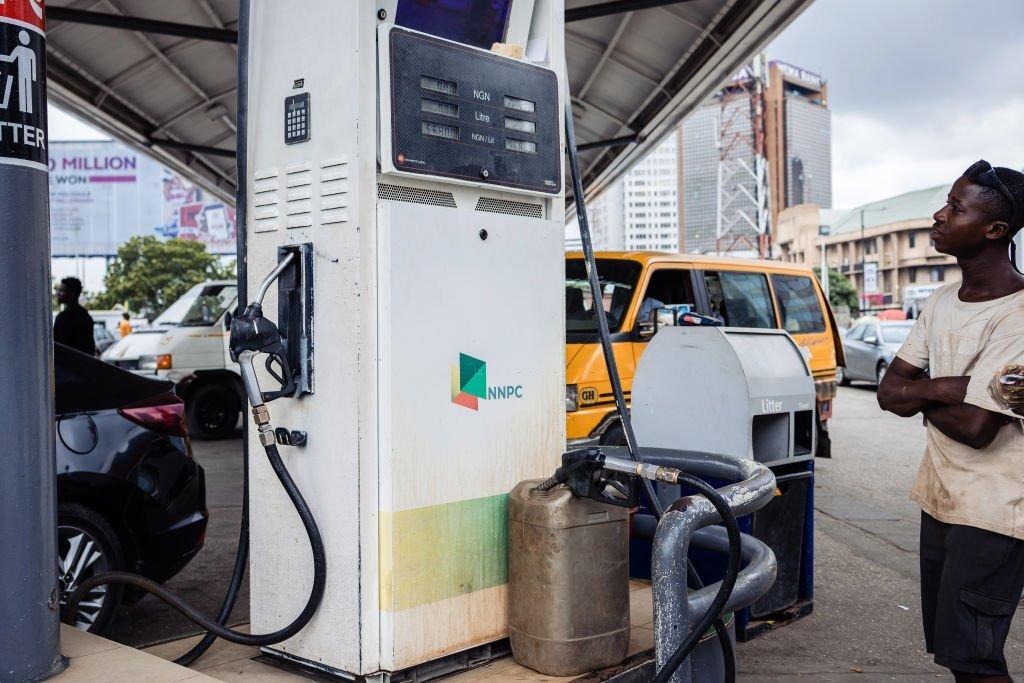
The Association of Nigeria Refineries Petroleum Marketers has called on the Federal Government to introduce a temporary fuel subsidy.
The request comes as global oil prices rise due to escalating tensions in the Middle East. Meanwhile, Nigeria’s exposure to global pricing continues to drive domestic petrol prices higher.
The group said the measure would cushion the impact on Nigerians facing rising fuel costs.
“The escalating tensions in the Middle East have significantly disrupted global energy markets,” said Henschel Nwozuzu.
“This has led to sharp increases in crude oil prices and domestic fuel costs,” he added.
According to Reuters, NNPC Limited has increased crude allocations to the Dangote Refinery.
The refinery will receive seven cargoes for May, up from five in previous months. This follows supply shortages in the international market linked to the crisis.
“Allowing distant geopolitical conflicts to dictate local fuel prices places undue pressure on citizens,” Nwozuzu said.
Global Oil Shock Drives Local Price Pressure
The crisis has affected key oil transit routes, including the Strait of Hormuz. This corridor handles a significant share of global crude supply.
Meanwhile, disruptions have increased volatility in global energy markets. Reuters reported that Brent crude is heading for its largest monthly gain.
This comes amid uncertainty over actions by Donald Trump regarding the Iran conflict.
“The situation presents an opportunity to prioritise domestic needs,” Nwozuzu said.
“We must support local refining to stabilise supply and reduce imports,” he added.
Despite being a major crude producer, Nigeria remains tied to global pricing structures. Consequently, domestic fuel prices reflect international market shocks.
“A temporary subsidy would serve as a buffer for Nigerians,” he said.
“Global price spikes are already affecting multiple countries,” he added.
Dangote Refinery currently requires 13 to 15 crude cargoes monthly. However, it has been receiving about five locally, forcing imports at higher prices.
The refinery recently met over two-thirds of Nigeria’s daily petrol demand. Meanwhile, depot prices have increased by about 13%.
Policy Shifts And Market Adjustments Emerge
Amid the crisis, Nigeria has introduced a new domestic gas pricing regime. The Nigerian Midstream and Downstream Petroleum Regulatory Authority fixed a base price of $2.18 per MMBtu.
Commercial users will pay $2.68 per MMBtu under the new framework. The policy, effective April 1, 2026, aims to boost supply to key sectors.
“The pricing model aligns with international benchmarks,” NMDPRA said.
“It reflects a cost-of-supply approach to ensure sustainability,” it added.
Globally, energy firms have recorded over $100 billion in windfall profits. A report by 350.org estimates transfers of up to $111 billion from consumers.
“Ordinary people are paying an extraordinary price,” said Anne Jellema.
Meanwhile, geopolitical tensions continue to disrupt supply chains. Reports indicate attacks on oil infrastructure and tankers in the region.
As supply tightens, countries are scrambling for available crude cargoes. Consequently, Nigeria faces a complex balance between market realities and public welfare.
Rate, Like 👍, Comment 💬, Share this article, Follow us on our social media handles, and Submit your own story to get featured and earn rewards!
 WhatsApp Channel
 Telegram Channel