


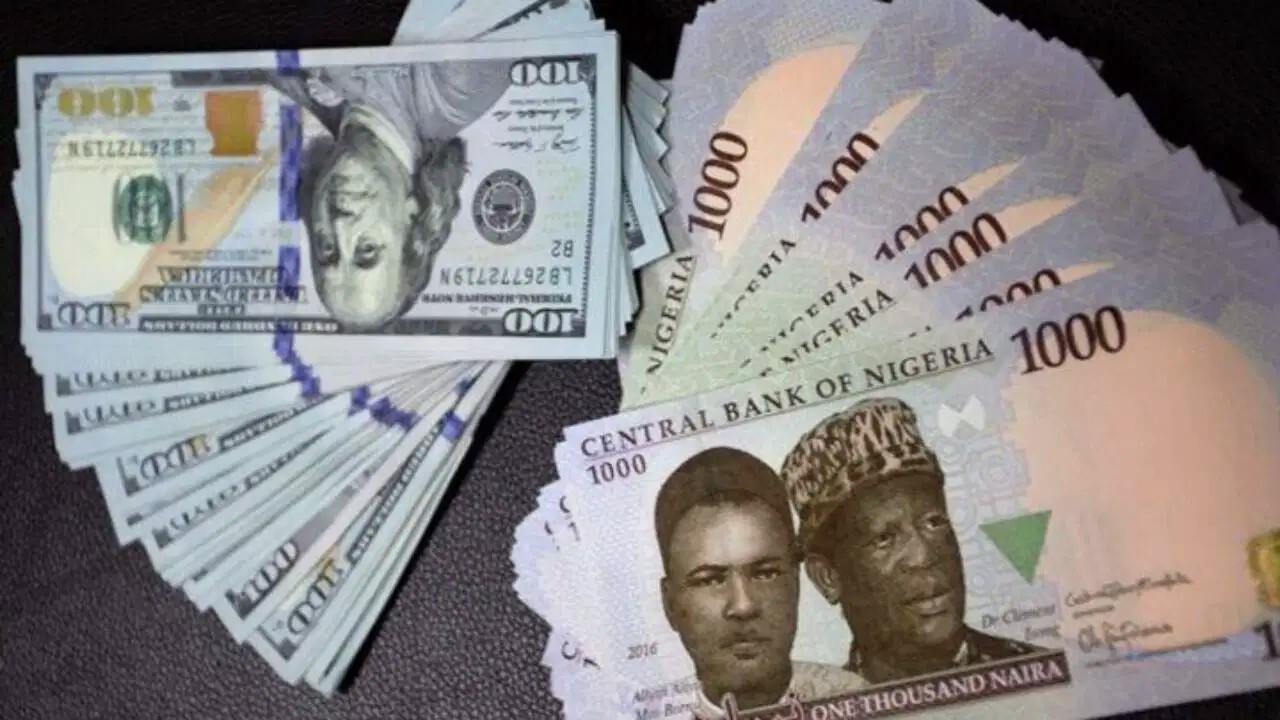
The Nigerian Naira recorded a marginal depreciation against the US Dollar during Tuesday’s trading session.
Data from the Central Bank of Nigeria (CBN) showed the local currency closed at ₦1,383.5/$. This represents a slight drop from the ₦1,383/$ recorded just twenty-four hours earlier.
The currency traded within a specific range of ₦1,372/$ to ₦1,389/$ throughout the day. This small shift reflects the ongoing tension in the foreign exchange market.
Market activity remained steady but cautious as traders reacted to the latest economic signals from the apex bank.
Nairametrics reported that declining external reserves are a major factor weighing on the strength of the Naira.
The current market sentiment suggests that participants are waiting for clearer signals before making large moves.
Declining External Reserves Heighten Pressure On National Buffer
A steady drop in Nigeria’s external reserves has become a primary concern for the financial sector.
Official figures show that the reserves fell to $49.6 billion as of March 23, 2026. This is a noticeable decrease from the $49.8 billion recorded only a few days prior.
“The decline highlights continued pressure on the country’s foreign exchange buffers,” the CBN data indicated. The apex bank alleged that these buffers are essential for maintaining the stability of the local currency.
The loss of $200 million in such a short window suggests that the government is working hard to meet high demand for foreign currency.
This steady drain on the nation’s savings often makes it difficult to defend the Naira against further falls.
Interbank Turnover Hits $83.44 Million Amid Cautious Trading
Despite the uncertainties, the Nigerian Foreign Exchange Market (NFEM) saw a total interbank turnover of $83.44 million.
This volume was cleared across 88 separate deals during the session. The Naira recorded an average exchange rate of ₦1,381.86/$ throughout Tuesday.
“Total interbank turnover stood at $83.44 million across 88 deals, suggesting steady participation despite prevailing uncertainties,” the market report stated.
These figures allege that liquidity in the system is currently at a moderate level.
Most traders are currently maintaining a “wait and see” approach to avoid sudden losses.
The CBN says it is monitoring the situation closely too to ensure that the market remains transparent and efficient.
This report matters to you because a weaker Naira often leads to an increase in the cost of imported goods, including electronics and food.
If the external reserves continue to drop, the price of the Dollar may rise further, affecting your purchasing power.
Therefore, do you agree with those who want the Central Bank to use more of the external reserves to support the Naira, or should they let the market determine the rate entirely? Share your views in the comments section here.
Rate, Like 👍, Comment 💬, Share this article, Follow us on our social media handles, and Submit your own story to get featured and earn rewards!
 WhatsApp Channel
 Telegram Channel