

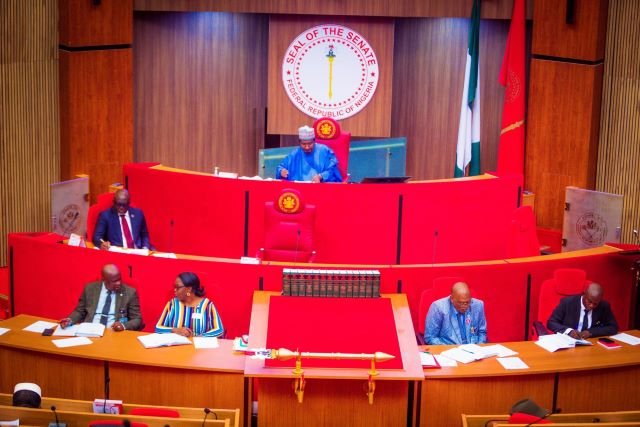
The Senate has called for a stronger regulatory framework that places the Central Bank of Nigeria (CBN) at the centre of supervising the country’s fast-growing financial technology sector.
Lawmakers also demanded tougher measures to curb the rising wave of Ponzi schemes. The call was made during a one-day public hearing at the National Assembly in Abuja on Wednesday.
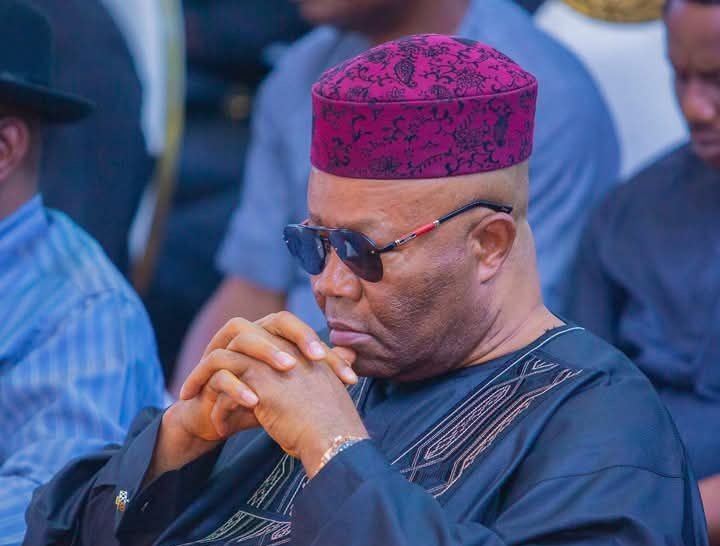
Chairman of the Senate Committee on Banking, Insurance and Other Financial Institutions, Senator Mukhail Adetokunbo Abiru, said the proposed amendment to the Banks and Other Financial Institutions Act (BOFIA) 2020 would reflect the realities of Nigeria’s evolving financial ecosystem.
He explained that fintech companies now process huge transaction volumes and hold sensitive financial data belonging to millions of Nigerians.
The amendment would empower the CBN to designate qualifying fintechs as Systemically Important Institutions, establish a national registry, strengthen risk-based supervision, and promote data sovereignty.
Abiru dismissed calls for a new standalone agency, saying it would duplicate functions and fragment regulatory authority.
“It is far more effective to strengthen the BOFIA framework, modernise CBN supervisory powers, and mandate robust coordination with agencies such as the SEC, NCC, NITDA, CAC, FCCPC, ONSA and the Ministry of Finance,” he said.
He noted that fintech regulation is closely tied to monetary policy, payments oversight, prudential supervision, Know-Your-Customer enforcement, and systemic risk monitoring, all of which already reside within the CBN.
Working to Cut Down on Ponzi Schemes
Beyond fintech regulation, the Senate intensified scrutiny of Ponzi schemes, describing them as a serious threat to financial stability and public confidence.
Abiru cited the recent Crypto Bullion Exchange (CBEX) incident, which led to significant losses for Nigerians, including young professionals, retirees, traders, and students.
He warned that Ponzi schemes undermine trust in legitimate institutions, distort capital allocation, damage Nigeria’s financial reputation, and increase risks of money laundering.
Stakeholders at the hearing included representatives of the CBN, NDIC, EFCC, NCC, FCCPC, Ministry of Finance Incorporated, and the Chartered Institute of Bankers of Nigeria.
The Senate said it will review submissions before making final recommendations on the amendment and related measures.
Rate, Like 👍, Comment 💬, Share this article, Follow us on our social media handles, and Submit your own story to get featured and earn rewards!
 WhatsApp Channel
 Telegram Channel