


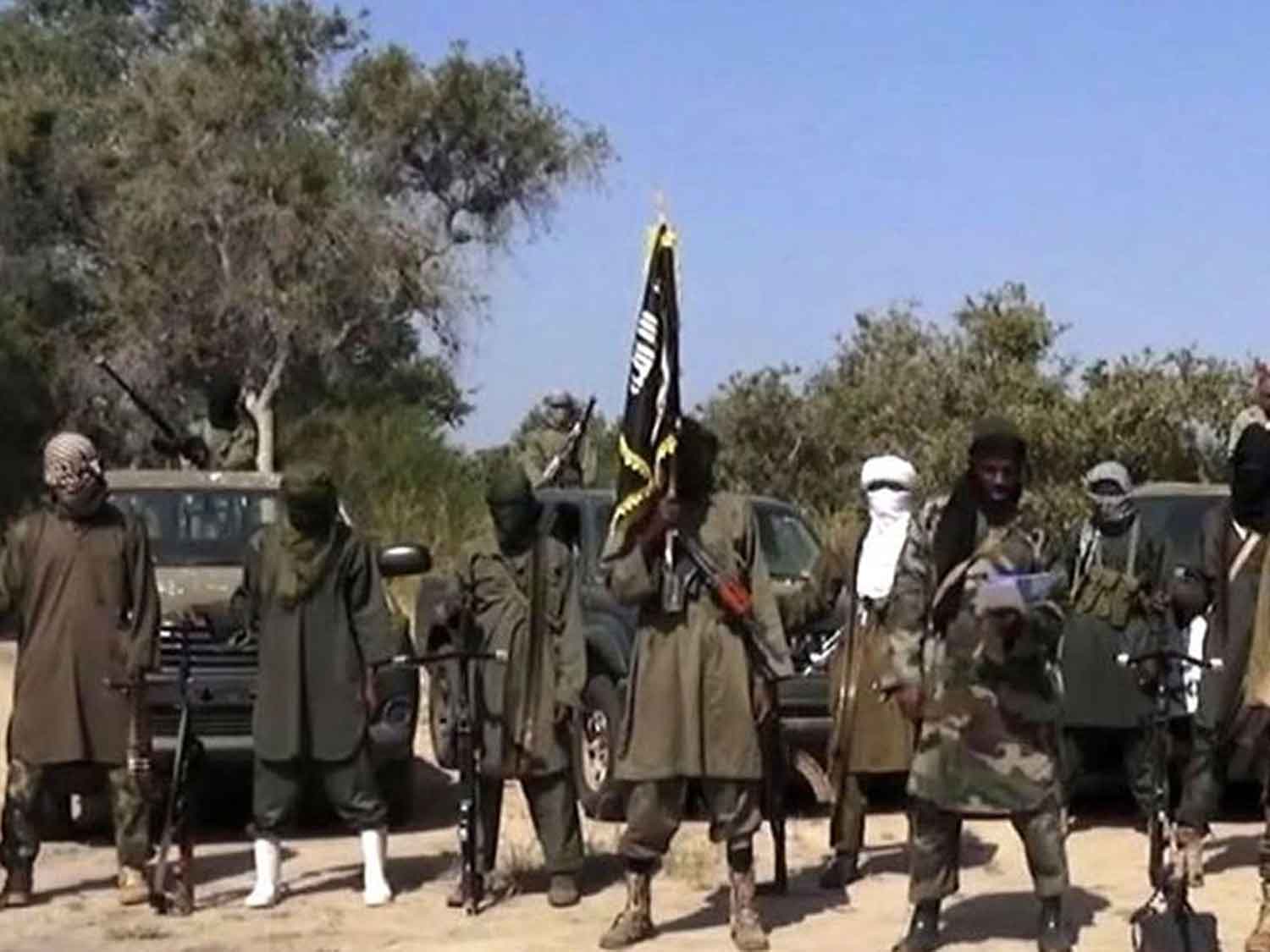
Islamist militant attacks are increasing, not abating, across Nigeria and its borderlands with Niger and Benin, despite recent US intervention, according to a new report by the Armed Conflict Location & Event Data Project (ACLED).
The report found that violent incidents involving groups linked to al Qaeda and the Islamic State in the tri-border area rose by 90% between 2024 and 2025.
Fatalities more than doubled, exceeding 1,000 deaths.
ACLED said militants have expanded operations into Benin’s Alibori and Borgou, Niger’s Dosso region, and Nigeria’s Sokoto, Kebbi, Niger, and Kwara states, reflecting “continued spread, growing lethality, and rising risks to civilians.”
Nigeria has battled Boko Haram and Islamic State West Africa Province for more than 15 years.
New factions, including Jama’at Nusrat al-Islam wal-Muslimin (JNIM) and Islamic State in the Sahel Province (ISSP), are now active across West Africa.
Porous borders, poverty and poor governance may have enabled militants to build supply routes and staging grounds for cross-border attacks.
The surge persists despite US airstrikes in northwestern Nigeria in December 2025 and training support for Nigerian forces.
ACLED noted intensified communication among jihadist groups, suggesting rivalry that often escalates violence.
Regional coordination has weakened as military-led governments in Mali, Burkina Faso, and Niger distance themselves from traditional security blocs.
Nigeria’s forces remain stretched, confronting banditry, kidnappings, and communal clashes alongside insurgency.
The report concludes that the rising lethality and geographic spread of Islamist militants point to a looming regional crisis that could extend far beyond Nigeria’s borders.
Rate, Like 👍, Comment 💬, Share this article, Follow us on our social media handles, and Submit your own story to get featured and earn rewards!
 WhatsApp Channel
 Telegram Channel




What happened to the US troops and their heavy-duty weapons that arrived Nigeria few weeks ago? Honestly thought the US would have made a significant difference, less attacks and more free movements.
Sincerely sorry for the loss of lives, May their souls rest in peace.