



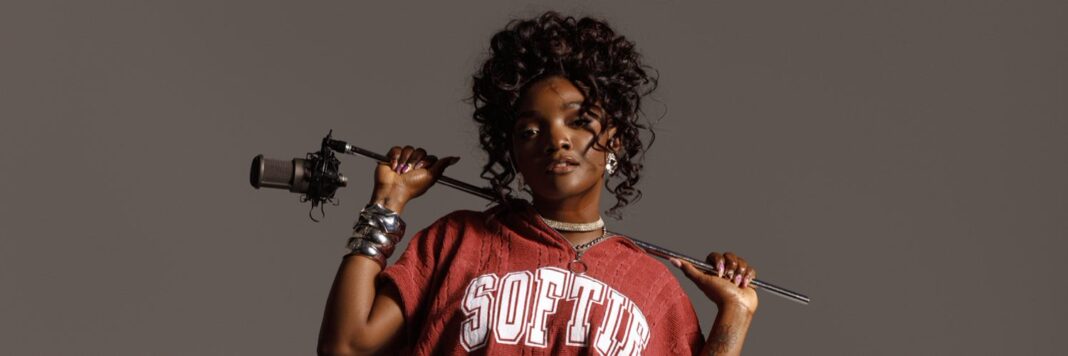
Nigerian singer Simisola Kosoko, better known as Simi, has been forced to respond after old tweets of hers, which appeared to suggest a perverted past, resurfaced online, sparking renewed heated conversations on social media.
The controversy erupted shortly after Simi made strong comments against rape while reacting to the viral Mirabel TikToker case.
She called for harsher punishments, including castration for rapists, and suggested that rape incidences were more pervasive than society tends to admit.
According to her, almost every woman she knows has faced harassment at some point or another. Her bold position drew both praise and criticism, but it also led to curiousity that drew some to dig up tweets she posted more than a decade ago.
The Old Posts Resurface
Screenshots of tweets from 2012 and 2013 began circulating online. Among them were lighthearted but now controversial remarks about children at her mother’s daycare, where she worked while trying to build her music career.
One widely shared tweet from November 2013 read: “I wonder if anyone’s ever used breast milk to bake cake before.”
Another post described a four-year-old boy acting mischievously, while others mentioned cuddling and kissing children she found “adorable.”
These tweets quickly became the center of online debate, with critics questioning their tone and meaning.
Simi Responds
On Sunday, Simi addressed the growing concern directly on her social media page.
“I haven’t been on Twitter today – but someone brought a few of my old tweets to my attention and I can’t not address it,” she wrote.
She explained that the posts were made in 2012, a time when she was not yet famous and was living with her mother while helping at the daycare.
“In 2012, I lived and helped out at my mom’s daycare while I was hustling my music. I tweeted everything that happened in my life, as we all did at the time,” she said.
According to Simi, social media back then was casual, and she often tweeted about everyday happenings without thinking they would be scrutinized years later.
“Kids can be mischievous. If a child did something I found funny, I tweeted about it. Kids are cute and lovable. I want to hug, kiss and cuddle them. I tweet about it. Nothing I tweeted was from perversion,” she clarified.
She stressed that she would not allow her words to be twisted into false narratives.
“What I can’t let anyone do is twist my story to fit false narratives,” she added.
Standing Firm Against Rape
Despite the backlash, Simi stood by her recent comments on sexual assault. She emphasized that her opposition to rape is not new or performative.
“I have always spoken against rape and sexual assault, even before you knew I existed. It’s not a costume I’m wearing, it’s who I am,” she wrote.
She admitted she is not perfect but insisted her message remains clear:
“I said stop raping women. I stand by it.”
The resurfacing of Simi’s old tweets has fueled more debates about how past social media posts could impact someone’s present-day reputation. While some argue her words were innocent reflections of daily life, others believe they signpost potentially worrisome behavioral issues.
For Simi, however, the issue is bigger than old tweets. She has positioned herself as a vocal advocate against sexual violence, and she insists that her stance is rooted in personal conviction, not public approval.
Yet as society confronts legitimate issues of rape, it needs to look more deeply at the troubling and rising phenomenon of false rape allegations, such as Mirabel’s, which have often seen men needlessly demonised and some innocent young men victimised.
Rate, Like 👍, Comment 💬, Share this article, Follow us on our social media handles, and Submit your own story to get featured and earn rewards!





Nigeria will not move forward if the government doesn’t do something about this