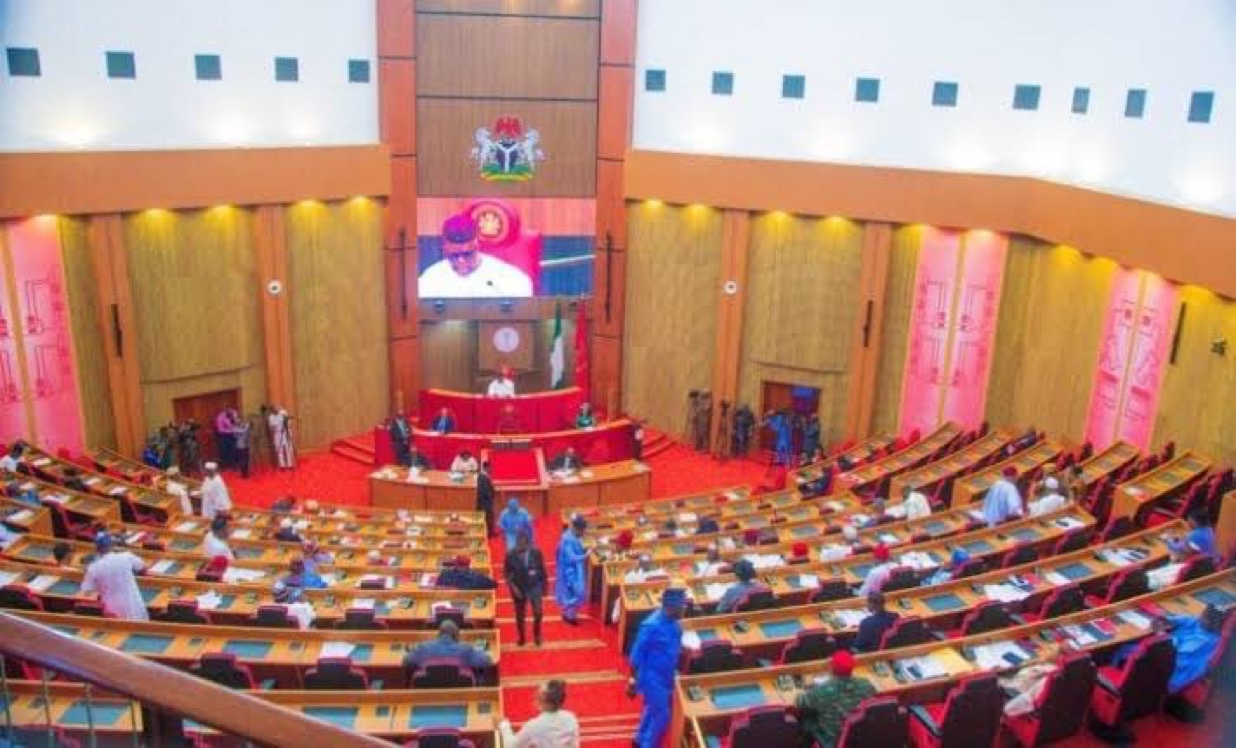


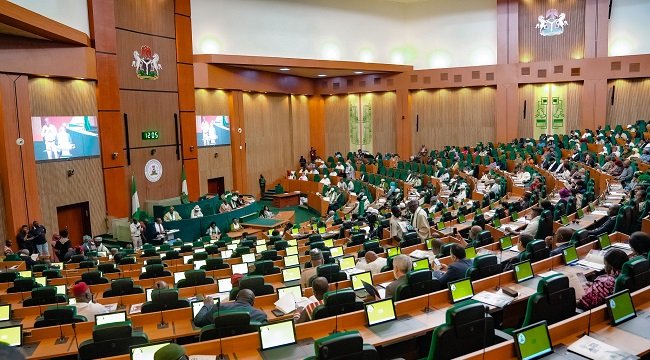
Nigeria’s House of Representatives will cut short its recess to address the issue of the timing of the 2027 general election timetable released by the Independent National Electoral Commission.
Lawmakers will reconvene for an emergency sitting on Tuesday, February 17, 2026, following the announcement by INEC that next presidential and National Assembly elections will hold on February 20, 2027.
The decision was disclosed in a statement signed by House spokesperson Hon. Akin Rotimi.
He said members were formally notified through an internal memorandum from the Office of the Speaker late Friday.
The memo stressed the constitutional weight of the development and the need for swift legislative engagement.
“All legislative business relating to the matter is expected to be addressed expeditiously,” the statement said.
Members were strongly advised to make sure they attend due to the national importance of the issues under consideration.
Why the Timetable Has Sparked Debate
INEC announced that presidential and National Assembly polls will hold on February 20, 2027, while governorship and state assembly elections are scheduled for March 6, 2027.
The commission also fixed party primaries between May 22 and June 20, 2026.
However, concerns quickly followed because both election dates fall within the projected period of Ramadan in 2027.
Ramadan is expected to run from around February 7 to March 8, 2027.
Former Vice President Atiku Abubakar also weighed in on the issue and urged INEC to reconsider the February 20 date.
In a post on his official X handle, he said the date falls “squarely within the Ramadan period… a sacred season of fasting, reflection, and spiritual devotion for millions of Nigerian Muslims.”
He added that elections demand “maximum participation, physical endurance, and collective focus.”
“Fixing such a critical civic exercise in the middle of a major religious observance reflects poor judgment,” he stated.
Atiku questioned whether the commission could guarantee credible polls.
“If INEC struggles with getting a simple matter of timing right, Nigerians are justified in asking what assurance do we have?” he queried.
Former presidential aide Bashir Ahmad also appealed for reconsideration.
He wrote that scheduling elections during Ramadan may reduce participation for many Muslims who scale back demanding activities during fasting.
INEC Cites Constitutional Backing
In response to the growing concerns expressed, INEC defended its timetable.
In a statement issued by National Commissioner Mohammed Haruna, the commission said the schedule complies strictly with the 1999 Constitution, the Electoral Act 2022, and its regulations.
Paragraph two of the INEC Regulations states that presidential and National Assembly elections must hold on the third Saturday of February in a general election year.
Governorship and state assembly polls are to take place two weeks later.
Haruna said the commission fixed February 20 and March 6 in “faithful observance of these extant legal and regulatory provisions.”
He acknowledged stakeholder concerns over overlaps with nationally recognized observances.
“The Commission remains sensitive to all legitimate concerns that may impact electoral participation,” he said.
INEC added that consultations are ongoing and it may seek legislative intervention if adjustments become necessary.
The House’s emergency session is expected to focus on whether any legal amendments or clarifications are required.
Lawmakers say the move reflects their commitment to protecting Nigeria’s democratic process through responsive lawmaking.
The debate now centers on balancing this strict legal timeline with sensitivity to Muslims in a multi-religious society.
Rate, Like 👍, Comment 💬, Share this article, Follow us on our social media handles, and Submit your own story to get featured and earn rewards!
 WhatsApp Channel
 Telegram Channel