



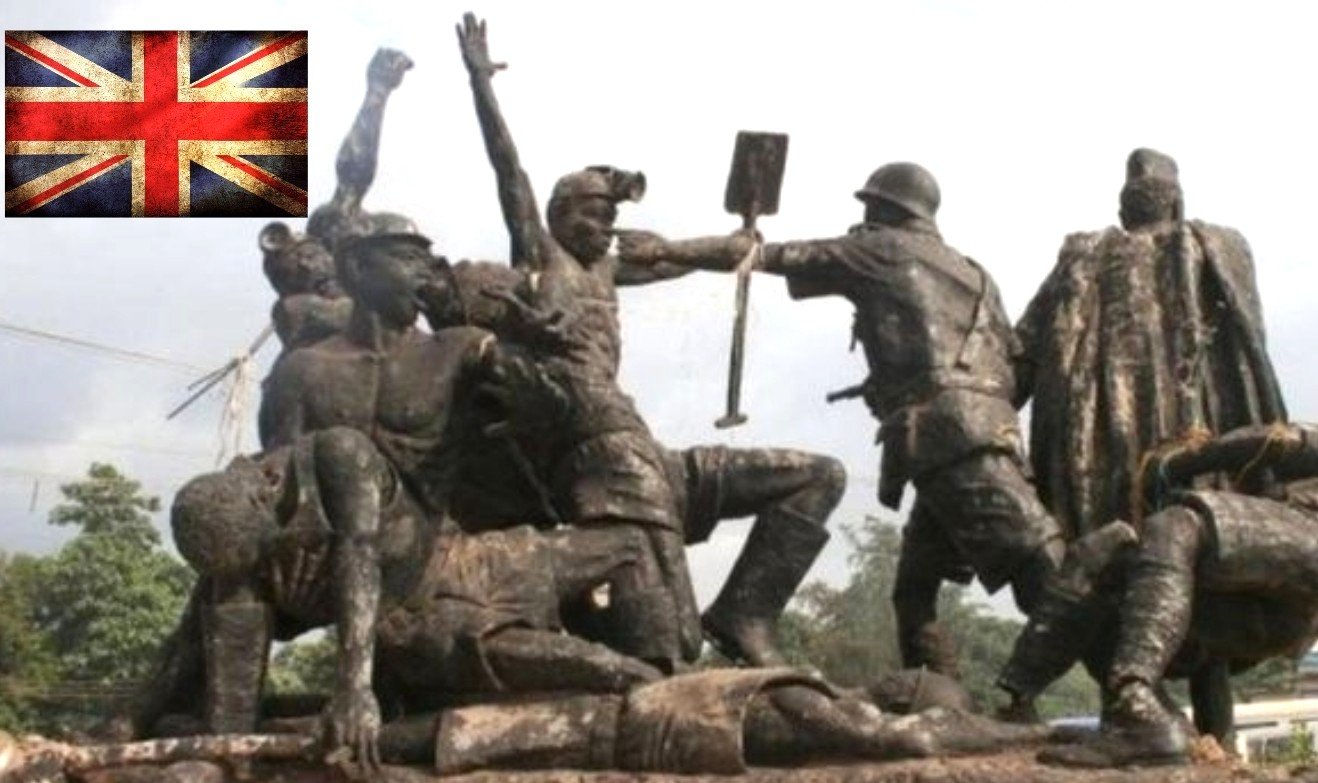
Delivering judgment on Thursday, presiding judge Justice Anthony Onovo ruled that the deaths were unlawful and amounted to an extrajudicial violation of the right to life.
He also directed the UK government to issue a formal apology to the victims’ families, to be published in national newspapers in both Nigeria and Britain.
The case was filed by Greg Onoh, who sought liability declarations, reparations, and a public apology for the descendants of the miners.
Respondents included the British government, the UK Foreign Office, the Federal Government of Nigeria, the Attorney-General of the Federation, and the head of the Commonwealth. None of the British respondents appeared in court or were represented.
Justice Onovo said the miners were unarmed civilians engaged in a lawful protest over poor working conditions and unpaid wages.
“These defenseless coal miners were asking for improved work conditions. They were not engaged in any violent action, yet they were shot and killed,” he stated.
The court ordered £20 million to be paid to each victim’s family, totaling £420 million, with post-judgment interest set at 10% per annum until full payment is made.
Claims for pre-judgment interest and exemplary damages were dismissed.
Onovo also directed the Nigerian government to begin diplomatic engagement with the UK within 60 days to pursue enforcement of the ruling.
Historical Context
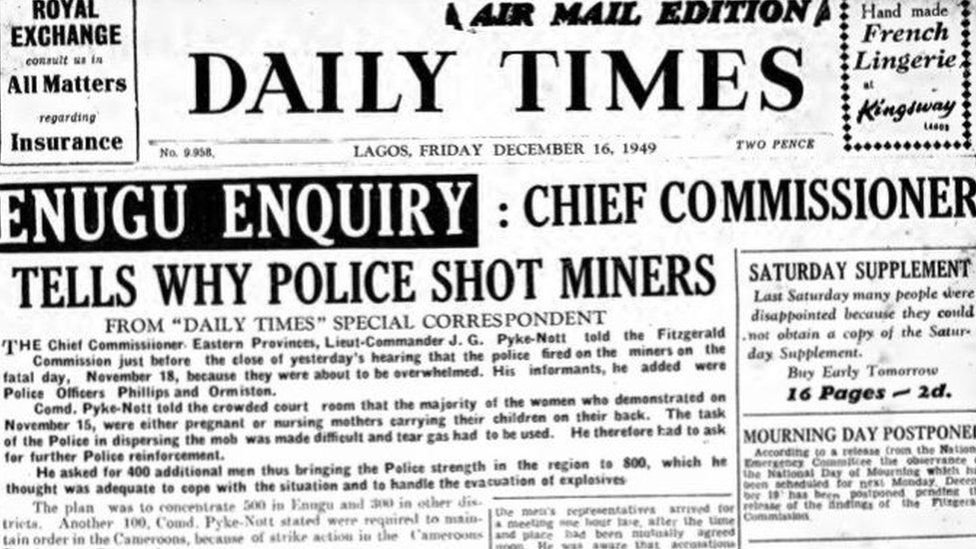
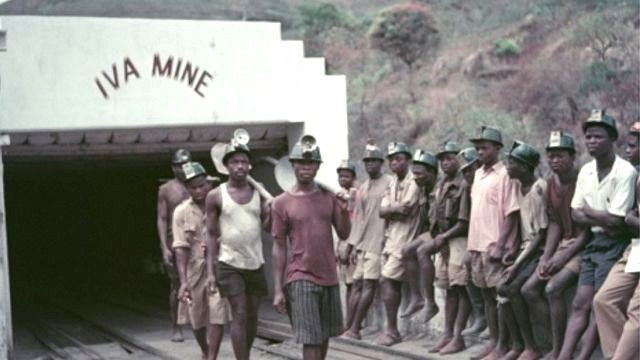
The killings occurred on November 1, 1949, when miners at the Iva Valley mine went on strike over unpaid wages and harsh working conditions under British colonial rule. Coal was a major source of energy and revenue for the colonial administration at the time.
Colonial authorities ordered the mine closed, but miners resisted. During the confrontation, the colonial police chief allegedly instructed officers to open fire, killing at least 21 miners and injuring several others.
Those killed included Sunday Anyasodo, Ani Oha, Andrew J. Obiekwe Okonkwo, Augustine Chiwetalu, Onoh Ugwu, Ngwu Offor, Ndunguba Eze, Okafor Agu, Livinus Ukachunwa, Jonathan Agu Ozoani, Moses Ikegbu Okoloha, Chukwu Ugwu, Thomas Chukwu, Simon Nwachukwu, Agu Alo, Ogbonnia Ani Chima, Nnaji Nwachukwu, William Nwaku, James Onoh Ekeowa, Felix Nnaji, and Ani Nwaekwe.
The ruling is one of the most significant judicial decisions in Nigeria addressing colonial-era abuses. Analysts say it could set a precedent for similar reparations claims tied to historical injustices.
Whether the UK government will comply with this judgment is yet to be seen as enforcement will depend on hardball diplomatic negotiations between Abuja and London, with Nigeria’s only bargaining chip likely to be that of moral suasion, if it will muster the political will to do so..
Rate, Like 👍, Comment 💬, Share this article, Follow us on our social media handles, and Submit your own story to get featured and earn rewards!
 WhatsApp Channel
 Telegram Channel






Justice Onovo said the miners were unarmed civilians engaged in a lawful protest over poor working conditions and unpaid wages.(justice to these departed souls,if Nigerian judicial body are really fighting for justice of their brothers like this, it really shows that spirit of Biafra love and unity).