


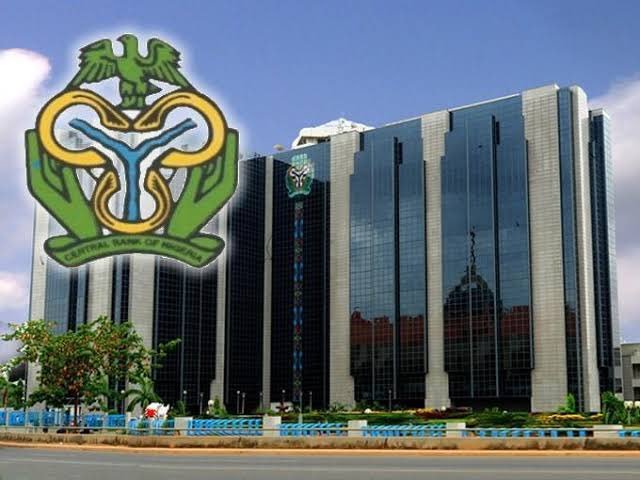
The Central Bank of Nigeria (CBN) has directed commercial banks to resolve electronic fraud complaints within 30 minutes. The new rule comes as fresh data shows a sharp decline in fraud losses across the financial sector.
According to figures released by the Nigeria Inter-Bank Settlement System (NIBSS), losses from electronic fraud fell by 51% in 2025 compared to 2024. The amount dropped from ₦52.26 billion in 2024 to ₦25.85 billion last year.
CBN officials say the faster response time will strengthen consumer protection and restore confidence in Nigeria’s growing digital banking industry.
The NIBSS data revealed that fraud incidents declined slightly by 4%, from 70,111 cases in 2024 to 67,518 in 2025.
Lagos recorded the highest number of cases, accounting for 63.43% of total fraud volume. Abuja came second with just 3.12%.
Speaking at the Nigeria Electronic Fraud Forum (NeFF) Technical Kick-off Session in Lagos, CBN Deputy Governor for Financial System Stability, Philip Ikeazor, emphasized the importance of faster intervention.
“The industry has agreed to reduce fraud response time to under 30 minutes, a decisive step that materially improves recovery outcomes and limits systemic exposure,” Ikeazor said.
He warned that delays in responding to fraud incidents often worsen losses and weaken public trust in electronic payment systems.
ISO 20022 Adoption
Ikeazor explained that while Nigeria has neutralized older fraud types such as ATM card cloning, new risks have emerged.
These include online fraud, social engineering, SIM-swap abuse, insider compromise, and authorized push payment scams.
“Beyond compliance, ISO 20022 provides richer, structured transaction data that enhances traceability, analytics and early fraud detection,” he said.
The CBN is pushing for full adoption of ISO 20022, describing it as a critical anti-fraud tool rather than just a regulatory requirement.
Dr. Rakiya Yusuf, CBN Director of Payment System Supervision and Chairman of NeFF, added that inspections of banks will soon begin to ensure compliance.
She stressed the importance of strict adherence to Know Your Customer (KYC), Know Your Business (KYB), and Customer Due Diligence (CDD) rules.
“There is no KYC called KYC zero, where there is no identity at all. The central bank has not come up with a policy on any category called KYC four,” Yusuf said.
NIBSS Measures
NIBSS Managing Director, Premier Oiwoh, noted that digital payments fraud has grown in scale and sophistication, driven by the rise of instant and remote banking channels.
He said NIBSS has introduced a portal for persons of interest, containing data on individuals involved in fraud since 2019.
“Fraud perpetrators will have no hiding place in the Nigerian financial system,” Oiwoh stated.
Oiwoh added that intelligence sharing among financial institutions is being promoted to further reduce fraud losses.
Rate, Like 👍, Comment 💬, Share this article, Follow us on our social media handles, and Submit your own story to get featured and earn rewards!
 WhatsApp Channel
 Telegram Channel