

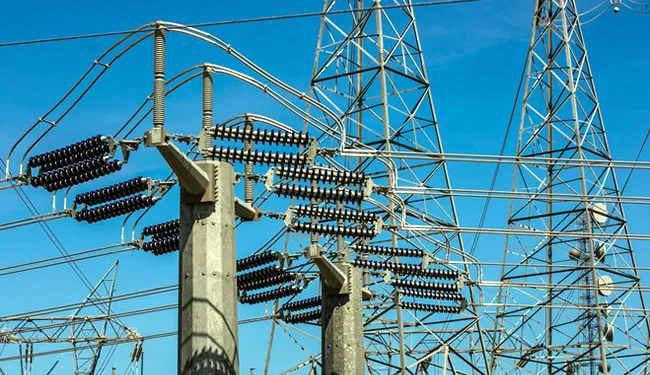
Nigeria’s electricity generation capacity remained severely underutilised in December 2025, with grid-connected plants operating at just 38 per cent availability, according to the latest factsheet from the Nigerian Electricity Regulatory Commission (NERC).
Out of the country’s 13,625MW installed capacity, only 5,151MW was available for dispatch at any point during the month.
This translated to a Plant Availability Factor (PAF) of 38 per cent, highlighting the widening gap between nominal capacity and actual usable power.
Key Findings from NERC’s Factsheet
- Average hourly generation: 4,367 MWh/h
- Average load factor: 85 per cent, showing most available power was utilised but overall capacity remained constrained.
- Generation concentration: The top 10 plants produced 81 per cent of total electricity, raising concerns about resilience and over-reliance on a narrow pool of stations.
- Hydropower performance: Zungeru operated at full availability with an 83 per cent load factor, while Kainji and Jebba also recorded strong figures.
- Thermal plant challenges: Several gas-fired plants operated far below capacity due to gas supply issues, maintenance backlogs, and inefficiencies. Alaoji One, Ibom Power One, and Trans Amadi One produced little or no power.
Grid Instability and Operational Stress
Beyond generation constraints, grid instability remained a major issue:
- Voltage deviations: Lower voltage averaged 302.84kV (below the 313.50kV benchmark), while upper voltage averaged 347.52kV (above the 346.50kV threshold).
- Frequency control: Recorded lows of 49.14Hz and highs of 50.63Hz, both outside the regulatory band of 49.75Hz–50.25Hz.
These deviations signalled operational stress and heightened the risk of partial or total grid collapses. System operators often constrained generation to protect infrastructure, further depressing usable output.
Structural Weaknesses Persist
The December performance underscores the limitations of focusing reforms solely on installed capacity without tackling bottlenecks across gas supply, transmission, distribution, and system operations.
Despite billions invested, including the $2.3 billion Siemens contract under the Presidential Power Initiative (PPI), Nigeria continues to struggle to convert installed assets into delivered electricity.
The sector remains plagued by:
- Payment shortfalls exceeding ₦4 trillion
- Weak contract enforcement
- Limited incentives for maintenance and efficiency improvements
For investors, low availability rates and grid instability increase operational risks and weaken confidence in the sector’s sustainability.
While utilisation of available capacity remains relatively high, the core challenge is availability itself. Until gas supply reliability improves, grid stability is strengthened, and financially distressed operators are stabilised, Nigeria’s power sector risks remaining trapped in a cycle of low output and high unmet demand.
Rate, Like 👍, Comment 💬, Share this article, Follow us on our social media handles, and Submit your own story to get featured and earn rewards!
 WhatsApp Channel
 Telegram Channel