

Nigeria’s cities are set to undergo one of the fastest expansions in the world, with an additional 140.3 million people expected to move into urban areas over the next 25 years.
By 2050, the country’s urban population is projected to reach 264 million, accounting for 70 per cent of the total population, according to the World Bank’s latest Global Economic Prospects and Multi-sector Analytical Review reports.
Nigeria’s urban population has grown exponentially over the past six decades — from under 7 million in 1960 to more than 128 million in 2024. Nearly half of these residents live in slums, underscoring the strain on infrastructure and services.
The World Bank warns that while rapid urbanisation offers vast opportunities for economic growth, it also presents significant challenges. Unplanned growth, unchecked sprawl, and service gaps have outpaced planning, leaving cities vulnerable to infrastructure deficits and social inequality.
The report, based on diagnostics of 11 major cities and in-depth assessments of Lagos, Kano, Ibadan, Abuja, and Maiduguri, proposes a roadmap to transform Nigerian cities into more livable, inclusive, and resilient hubs.
Economic Outlook: Growth Amid Risks
Nigeria’s economy is projected to grow by 4.4 per cent in 2026 and maintain that pace in 2027, building on an estimated 4.2 per cent expansion in 2025.
This positions Africa’s largest economy among the fastest-growing in Sub-Saharan Africa, even as global growth slows to 2.6 per cent.
Key drivers include:
- Services sector: Finance and ICT are leading the recovery.
- Agriculture: Modest productivity gains are contributing.
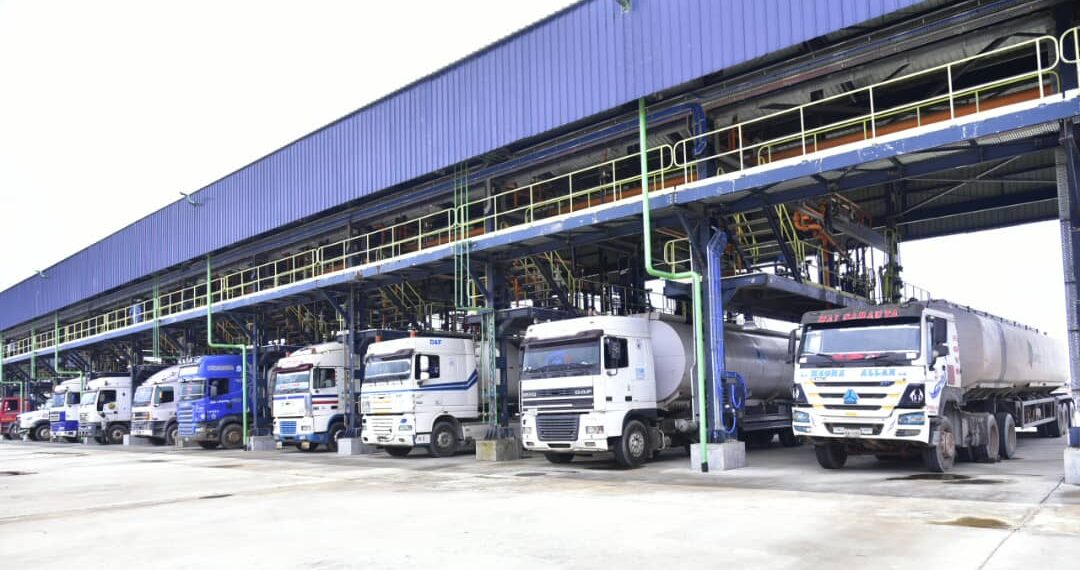
- Energy: Nigeria’s emergence as a net exporter of refined petroleum products is strengthening external balances and easing pressure on foreign reserves.
Recent policy measures — fuel subsidy removal, exchange rate unification, and tighter monetary policy — have helped stabilise the macroeconomic environment after years of imbalances.
Inflation and Commodity Risks
While inflation remains elevated, the World Bank projects a gradual decline as the effects of monetary tightening take hold.
Global disinflation and lower energy prices could further ease import costs and attract capital inflows.
However, Nigeria remains exposed to global commodity cycles. Crude oil prices are forecast to drop from $69 per barrel in 2025 to $60 in 2026, before a mild recovery in 2027.
Given Nigeria’s reliance on oil revenues, sustained price weakness could constrain government finances and undermine fiscal stability.
Nigeria’s future hinges on whether it can harness urbanisation as a driver of growth while addressing structural weaknesses in infrastructure, governance, and fiscal management.
The World Bank stresses that without reforms to manage urban expansion and diversify revenue sources, the country risks being overwhelmed by the very growth that should propel it forward.
Rate, Like 👍, Comment 💬, Share this article, Follow us on our social media handles, and Submit your own story to get featured and earn rewards!
 WhatsApp Channel
 Telegram Channel