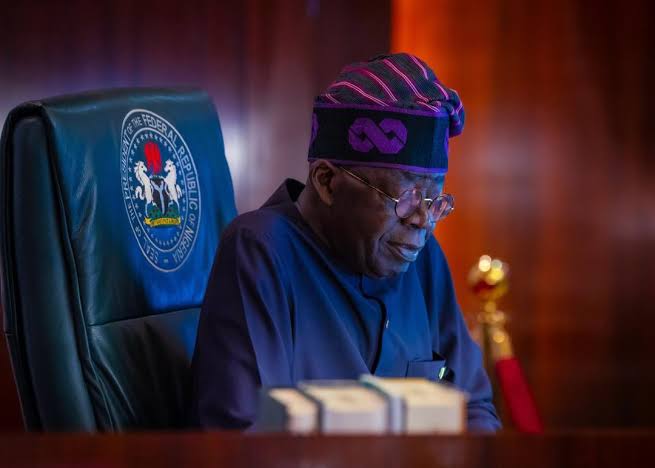


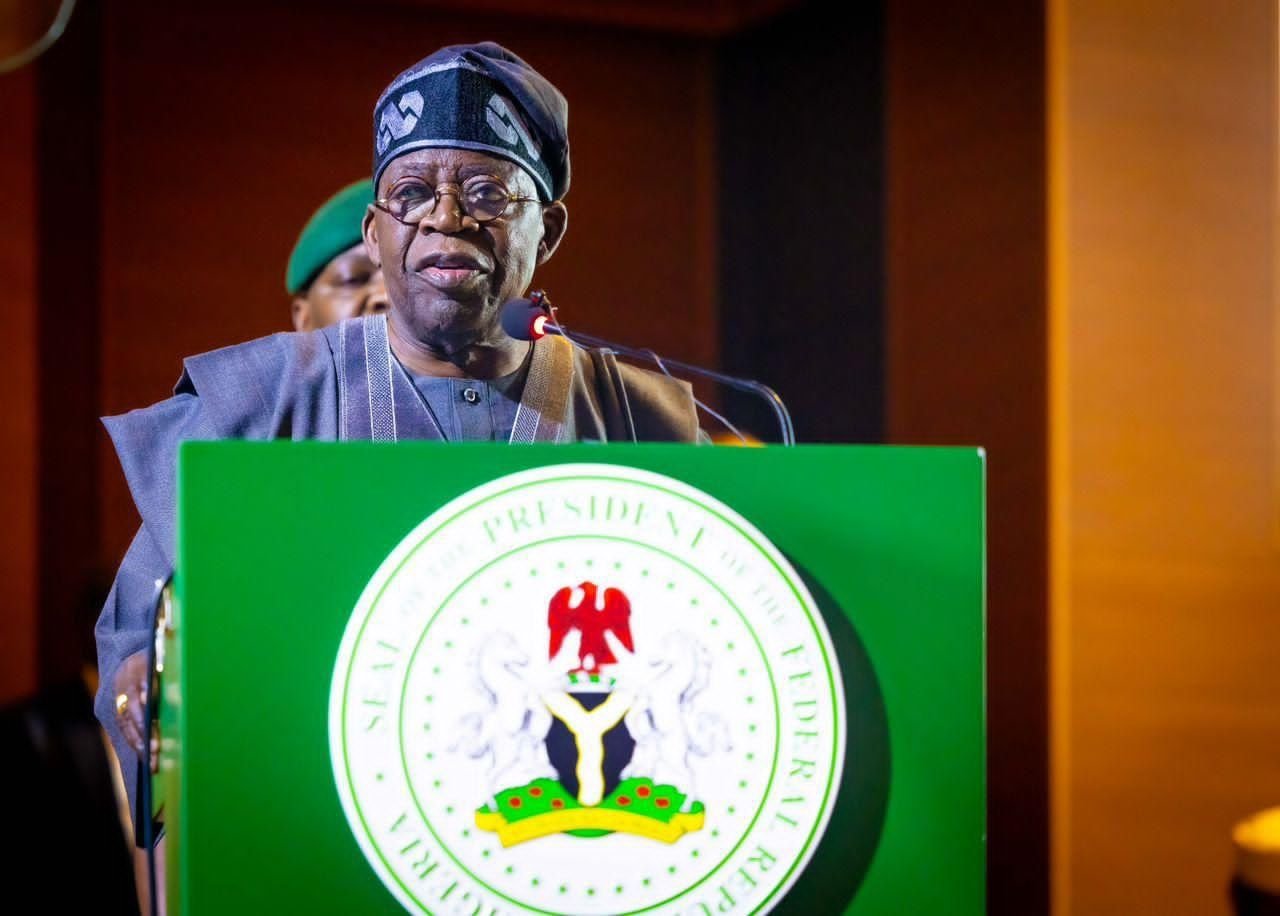
The presidency disclosed the decision on Monday, saying it is part of efforts to clean up NNPC’s finances and improve transparency in the oil sector.
Officials noted that the move comes amid growing fiscal pressures on Africa’s largest oil producer, including weak revenues and rising public debt.
The cancellation is also tied to the government’s broader plan to reform NNPC ahead of proposed divestments in oil and gas assets.
Details of the Approval
The Nigerian Upstream Petroleum Regulatory Commission (NUPRC) confirmed that the decision was reached during the November Federal Accounts Allocation Committee (FAAC) meeting held last week.
The meeting followed recommendations by a reconciliation panel tasked with reviewing NNPC’s financial obligations to the government.
According to the presidency, the debt write‑off covers liabilities accrued up to December 31, 2024.
These include obligations from production‑sharing contracts, domestic crude supply arrangements, repayment agreements, modified carry contracts, and joint venture royalties.
Outstanding Obligations
The government clarified that outstanding obligations incurred between January and October 2025 are still being pursued.
It also noted that a long‑standing dispute over an alleged $42.37 billion under‑remittance by NNPC between 2011 and 2017 remains unresolved.
While the government continues to raise concerns over the issue, NNPC has maintained that all revenues during the period were fully and properly accounted for.
The presidency said the debt cancellation is aimed at strengthening transparency and accountability in Nigeria’s oil and gas industry.
It added that the move will reset fiscal relations between the government and its state‑owned energy company, which remains central to national revenue generation.
Rate, Like 👍, Comment 💬, Share this article, Follow us on our social media handles, and Submit your own story to get featured and earn rewards!
 WhatsApp Channel
 Telegram Channel