
Guinea-Bissau’s military rulers have released six detained members of the political opposition, describing the move as a gesture of “good faith” toward restoring constitutional order.
The six freed individuals are close allies of Domingos Simoes Pereira, leader of the historic PAIGC party, which spearheaded the country’s independence from Portugal in 1974. Pereira himself remains in custody.
The High Military Command, which has governed since seizing power on November 26, said the releases were intended to demonstrate respect for international rights and compromise with regional partners.
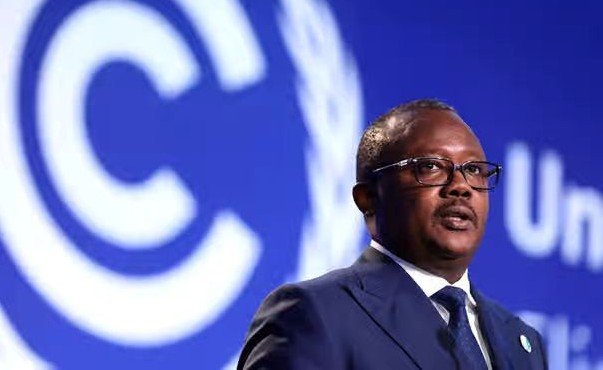
The army ousted outgoing president Umaro Sissoco Embalo following a disputed presidential vote, suspended the electoral process, and announced it would rule for one year.
Regional Pressure and Political Fallout
The coup has triggered regional alarm. Another opposition candidate, Fernando Dias, sought refuge in Nigeria’s embassy in Bissau, which granted him asylum. Embalo fled the country after being briefly detained during the takeover.
On Sunday, Senegal’s foreign minister led a delegation to Guinea-Bissau, meeting with detained opponents and pressing for their release.
The intervention followed warnings from the Economic Community of West African States (ECOWAS), which threatened “targeted sanctions” against individuals obstructing a return to civilian rule.
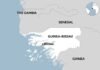
Guinea-Bissau’s instability is not new. Since independence, the small West African nation has endured four successful coups and numerous attempted insurrections, earning a reputation as one of the region’s most politically fragile states.
The latest upheaval risks further isolating the country and undermining regional security efforts, particularly as ECOWAS struggles to contain democratic backsliding in Mali, Burkina Faso, and Niger.
While the release of opposition figures may ease immediate tensions, critics argue that the junta’s promise of a one‑year transition remains vague.
With Pereira still in custody and the electoral process suspended, questions persist over whether the military intends to genuinely restore civilian governance or consolidate its hold on power.
For West Africa, Guinea-Bissau’s crisis underscores the broader challenge of safeguarding democracy in a region where coups have become increasingly frequent.
The coming months will test whether international pressure and regional diplomacy can steer the country back toward stability.
Rate, Like 👍, Comment 💬, Share this article, Follow us on our social media handles, and Submit your own story to get featured and earn rewards!