


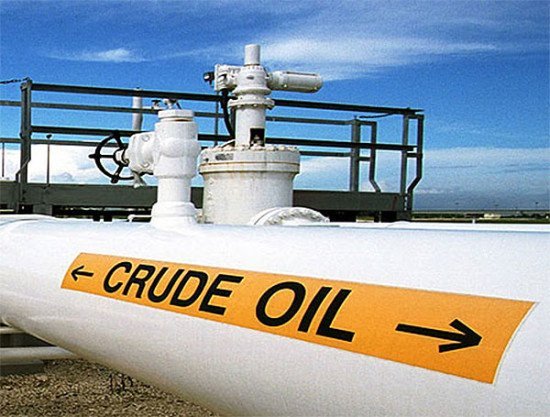
It's been suggested that about 20 million barrels of Nigerian crude oil scheduled for December and January loading remain unsold, according to traders.
Similarly, Angola’s December–January programmes still have five to six cargoes available, highlighting a broader challenge for West African producers.
Reuters news agency says oil experts are telling it that sellers are struggling to place up to 26 cargoes due to stiff competition from cheaper and more plentiful alternatives.
OilX analyst Francisco Gutierrez noted that Angolan January trade is running 20% behind its long‑term average pace, largely because China—the world’s biggest commodities buyer—has shifted to cheaper or nearer grades.
Supplies from the Middle East, offered at lowered official selling prices and benefiting from shorter voyages, are displacing medium and heavy West African grades in Asia.
Meanwhile, India’s imports from Russia remain resilient despite sanctions, further squeezing demand for West African crude. Traders added that lighter grades from Argentina and Brazil are also undercutting Nigeria’s exports.
The challenge comes against a backdrop of declining oil revenues.
In October 2025, Nigeria’s Budget Office reported a 22% drop in oil revenue to ₦3.9 trillion in Q4 2024, representing a shortfall of over ₦1 trillion compared to budgetary expectations.
Nigeria has faced similar difficulties before. In April 2024, more than half of its scheduled May cargoes remained unsold, with traders reporting over 30 cargoes still on the market.
At least 53 cargoes had been scheduled for loading that month, underscoring the persistent challenge of finding buyers in a crowded global oil market.
Rate, Like 👍, Comment 💬, Share this article, Follow us on our social media handles, and Submit your own story to get featured and earn rewards!
 WhatsApp Channel
 Telegram Channel