

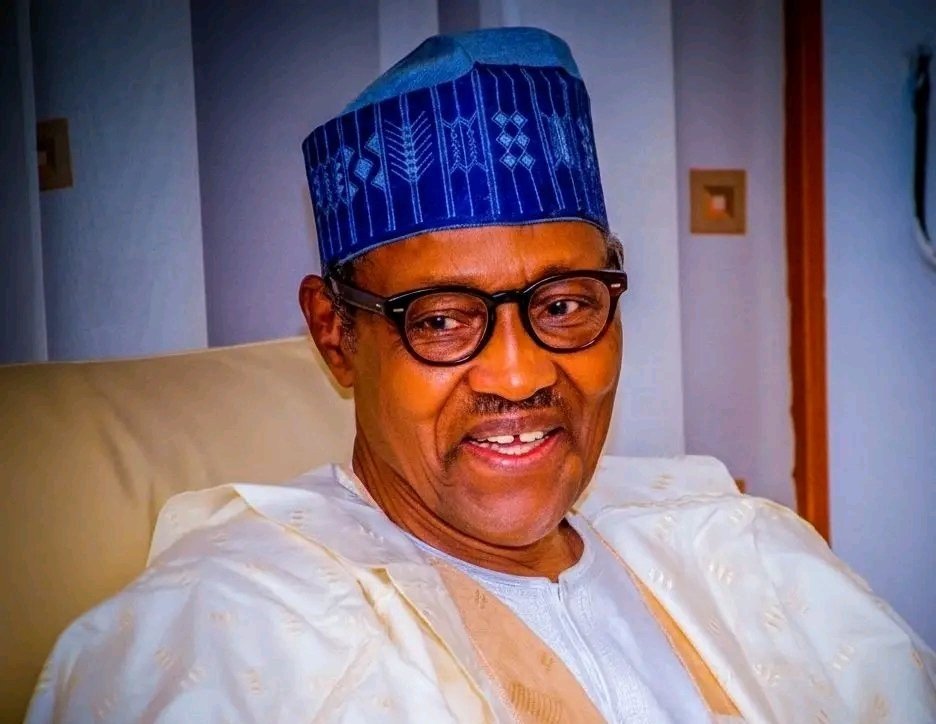
A newly launched biography of immediate past President Muhammadu Buhari has revealed that the controversial naira redesign policy of 2022 was not conceived by the Central Bank of Nigeria (CBN), as widely believed, but by the then Chairman of the Economic and Financial Crimes Commission (EFCC), Abdulrasheed Bawa.
The book, From Soldier to Statesman: The Legacy of Muhammadu Buhari, authored by Dr. Charles Omole and unveiled at the State House, Abuja, disclosed that the EFCC leadership pitched the redesign as a way to starve vote buyers of cash ahead of the 2023 general elections.
According to the account, Buhari’s long-standing aversion to money politics aligned with the proposal, even though its implementation triggered a severe cash crunch that plunged millions of Nigerians into hardship.
The biography quotes DSS Director-General Yusuf Magaji Bichi as saying Bawa’s idea was explicitly aimed at sanitising cash flows and curbing vote buying.
Buhari reportedly ordered investigative reports to be sent directly to him, wary of sabotage or misrepresentation.
By the time the political and operational costs became evident, the process had already gathered irreversible momentum, with currency samples printed and timelines fixed.
Aisha Buhari’s Account of Health and Family Strains
Beyond policy, the biography offers rare personal insights into Buhari’s presidency.
His former Chief Security Officer, Abubakar Idris, described him as a disciplined leader who delegated freely, shunned gossip, and insisted on institutional dignity—even stopping at red lights in convoy and refusing to overrule gatekeepers at the Villa.
The book also challenges rumours of a shadowy cabal isolating Buhari, noting that he was consistently briefed through daily executive summaries covering security, power, fuel supply, and politics.
In her own account, former First Lady Aisha Buhari disclosed that her husband suffered from a long history of malnutrition, which worsened during his presidency when her carefully managed dietary routine was disrupted.
She said gossip and fearmongering by close aides led Buhari to briefly suspect her intentions, locking his room and abandoning supplements she had overseen for years.
“They said I wanted to kill him,” she recalled, noting that the mismanagement of his nutrition contributed to his 2017 health crisis.
Aisha insisted Buhari was not poisoned, but that his health declined due to compromised nutrition. When flown to London, doctors prescribed an even stronger regimen of supplements than she had been administering.
In his final years, Omole writes, Buhari’s body bore the marks of a life of austerity—civil war campaigns, harsh climates, and decades of discipline—before his passing in July 2025.
Rate, Like 👍, Comment 💬, Share this article, Follow us on our social media handles, and Submit your own story to get featured and earn rewards!
 WhatsApp Channel
 Telegram Channel