

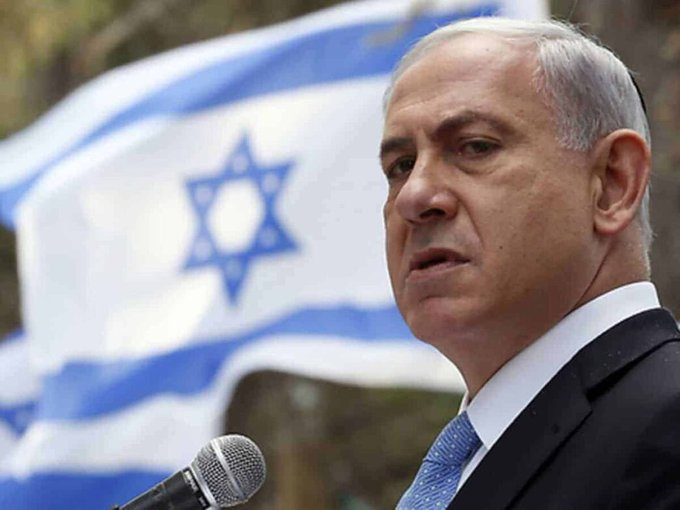
The International Criminal Court (ICC) has rejected Israel’s appeal on the principle of complementarity, leaving in place arrest warrants against Prime Minister Benjamin Netanyahu and former defense minister Yoav Gallant.
The ruling, delivered Monday in The Hague, was decided by a razor-thin margin of three judges to two but is final, as it came from the Appeals Chamber.
Israel had argued that the ICC prosecutor failed to give the state an opportunity to investigate the alleged conduct itself, as required under the Rome Statute.
The minority opinion at the court agreed, noting that Israel should have been allowed to notify the prosecutor of its domestic investigations, and that its earlier 2018 notification was too vague.
Israel’s Foreign Ministry condemned the ruling, calling it “another example of the ongoing politicization of the International Criminal Court” and accusing the judges of disguising politics as law.
“Israel rejects the Appeals Chamber’s decision, adopted by a razor-thin majority, to deny Israel its right to prior notification as required under the principle of complementarity, particularly with respect to a democratic state with an independent and robust judicial system,” the ministry said.
Sovereignty, War Crimes, and Global Fallout
Israel insists it did not commit war crimes, rendering the issue “theoretical” from its perspective. Yet the ICC’s decision keeps the arrest warrants active, raising the stakes for Netanyahu and Gallant in international travel and diplomacy.
Last November, Israel submitted two filings to the Appeals Chamber: a 14-page challenge to the jurisdiction of the Pre-Trial Chamber that authorized the warrants, and a 13-page rejection of the court’s reasoning for refusing to return the investigation to Israeli authorities.
Israel argued it had not received adequate notification under Article 18(1) of the Rome Statute regarding investigations into events following Hamas’ October 7, 2023 attack.
It said the 2021 notification related to earlier incidents and was not applicable to the unprecedented circumstances after the massacre in southern Israel.
Israel’s central claim is that the ICC ignored its right to demonstrate that domestic mechanisms are addressing alleged crimes.
The Foreign Ministry warned that the ruling undermines Israel’s sovereignty and disregards the ICC’s obligations toward non-party states.
Rate, Like 👍, Comment 💬, Share this article, Follow us on our social media handles, and Submit your own story to get featured and earn rewards!