
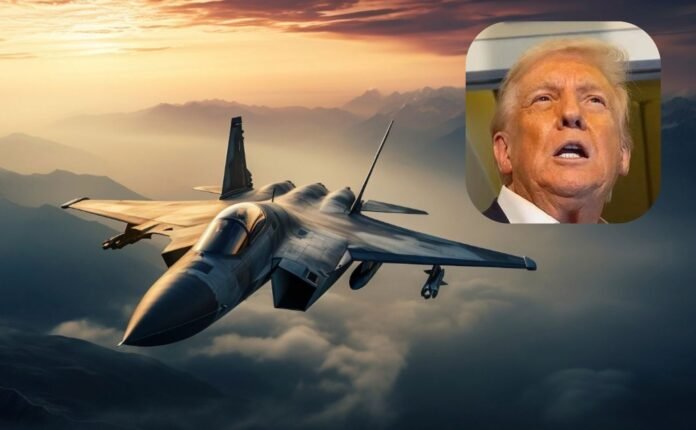
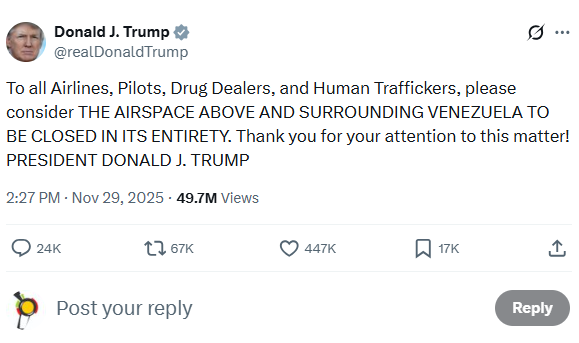
President Donald Trump announced Saturday that the airspace above and surrounding Venezuela should be considered “closed in its entirety,” a move that intensifies Washington’s confrontation with President Nicolás Maduro’s government.
Such consequential announcement came via Trump’s social media post in which he warned airlines, pilots, drug traffickers, and human smugglers to avoid Venezuelan skies, though he offered no immediate details on enforcement measures.
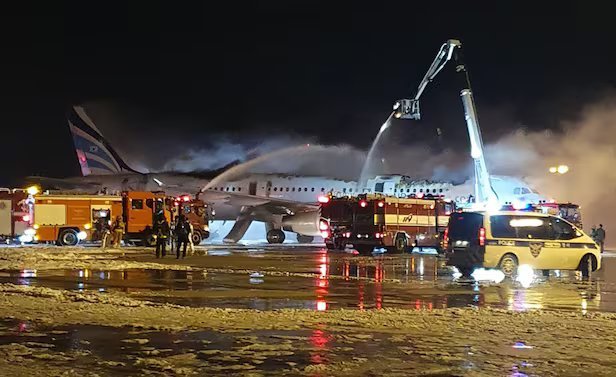
The declaration follows a warning last week from the Federal Aviation Administration (FAA), which cautioned major airlines about a “potentially hazardous” situation in Venezuelan airspace due to worsening security and heightened military activity.
In response, six international carriers suspended flights to Caracas, Venezuela’s capital.
Venezuela’s Response
The Venezuelan Foreign Ministry condemned Trump’s announcement as “a hostile, unilateral, and arbitrary act, incompatible with the most basic principles of International Law.”
In a statement, officials urged the United Nations and the international community to reject what they described as “an immoral act of aggression” that threatens the sovereignty of Venezuela, the Caribbean, and northern South America.
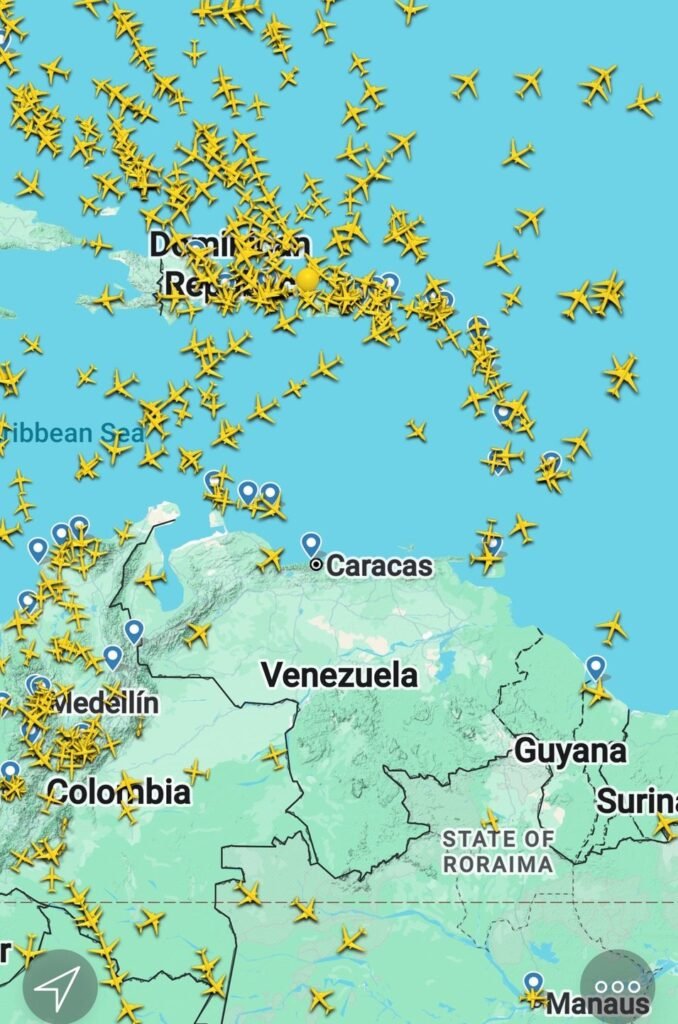
Authorities in Caracas also said the move would halt deportation flights carrying Venezuelan migrants from the United States, claiming Trump’s order “unilaterally suspended the Venezuelan migrant flights that were regularly and weekly being carried out.”
Military Pressure and Drug War Campaign
Trump’s declaration came two days after a Thanksgiving call with U.S. service members, during which he said land operations against alleged drug traffickers in Venezuela would begin “very soon.”
He argued that traffickers had shifted away from sea routes due to U.S. naval patrols and vowed to stop them by land.
Since September, the U.S. military has carried out at least 20 strikes on suspected drug boats in the Caribbean Sea, killing more than 80 people.
The administration has not provided public evidence that the vessels were smuggling narcotics, prompting criticism from human rights groups. Trump has also deployed the USS Gerald Ford, the world’s largest aircraft carrier, to the region as part of a show of force.
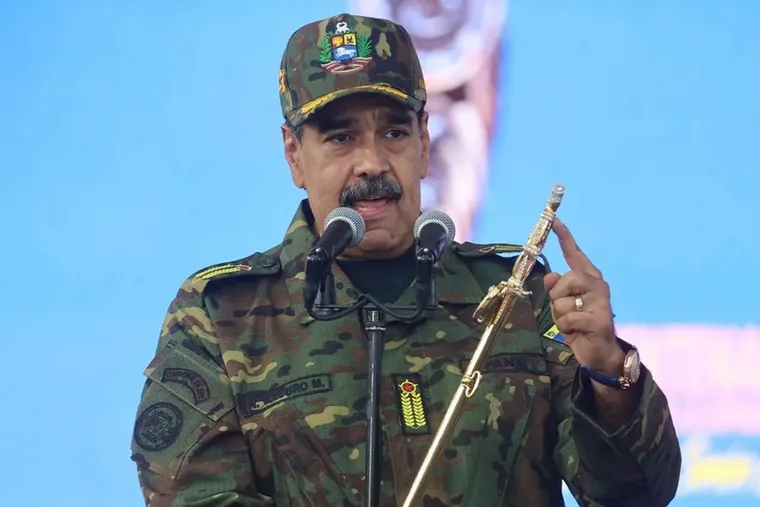
The administration has formally designated Maduro’s government as a terrorist organization, a move Trump says gives him authority to strike inside Venezuela.
However, there is no international consensus on that assertion, and diplomats warn that such actions could violate international law.
Maduro has denied any involvement in drug trafficking.
Mr. Trump’s hardline position against Maduro may not be unconnected with Venezuelan’s decision to pardon former Honduran president Juan Orlando Hernández, who was convicted in a U.S. federal court of participating in the drug trade.
Senator Tim Kaine sharply criticized the pardon, calling it “a disgusting and incomprehensible decision” and arguing that Americans harmed by narcotraffickers “deserve better.”
The escalating confrontation between Washington and Caracas is causing some anxieties about the next phase of U.S. policy in Latin America with some warning that closing Venezuelan airspace could further isolate the country diplomatically while heightening risks of military escalation in the region.
Rate, Like 👍, Comment 💬, Share this article, Follow us on our social media handles, and Submit your own story to get featured and earn rewards!