




President Bola Tinubu is set to sign the National Digital Economy and E-Governance Bill 2025 into law before the end of November — a move that could redefine Nigeria’s governance and digital future.
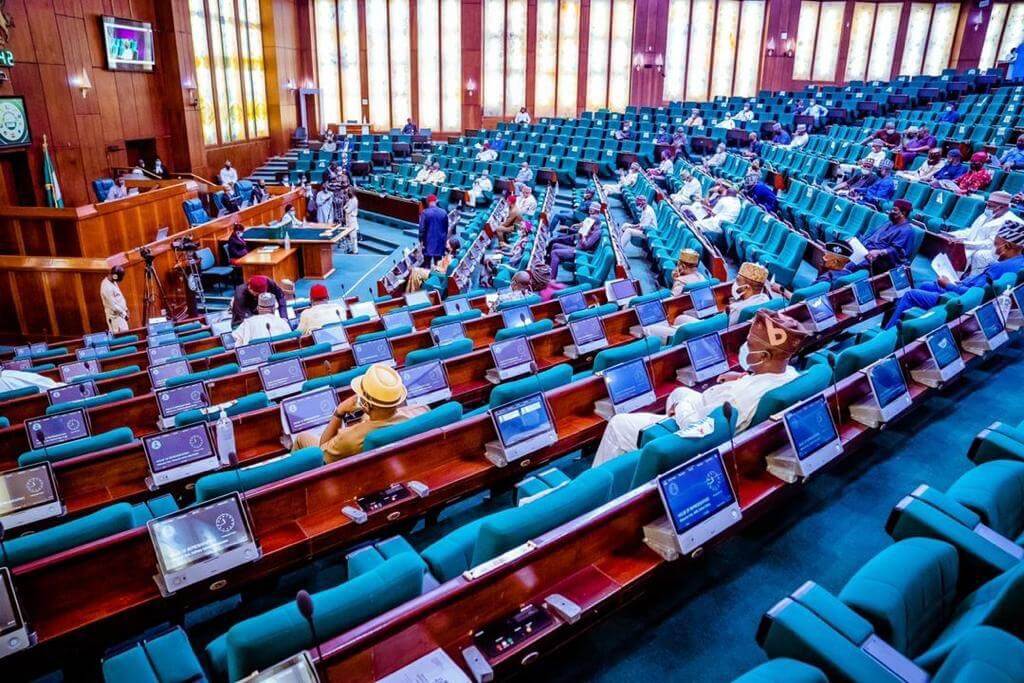
The Minister of Communications, Innovation and Digital Economy, Dr Bosun Tijani, disclosed this during a public hearing jointly organised by the National Assembly committees on ICT, cybersecurity, and digital technology.
He said the bill represents “a transformative framework to modernise governance, strengthen the digital economy, and help unlock Nigeria’s pathway to a $1 trillion economy.”
If signed, Nigeria will become the first African nation to enact a comprehensive law dedicated to the digital economy and e-governance.
Tijani explained that the Tinubu administration views the bill as a catalyst for the country’s economic expansion.
“This Bill is being awaited by President Bola Tinubu for assent this month, as it is one of the catalysts for achieving our $1 trillion economic projection,” he said.
The minister revealed that the digital economy’s contribution to Nigeria’s GDP has grown from 16% to 19%, with expectations to reach 21% by 2027.
The bill provides a legal and institutional framework for electronic communications, artificial intelligence (AI) governance, cybersecurity, and digital literacy.
He stressed that the administration’s goal was not short-term gain but sustainable reform.
“Together with the National Assembly, we are deploying 90,000 kilometres of fibre-optic network to connect every geopolitical zone, state, and local government with world-class internet access,” he noted.
“Beyond this, we are addressing the needs of over 20 million unconnected Nigerians by deploying nearly 4,000 new communication towers in underserved communities.”
The bill also proposes the creation of a National Data Exchange System, allowing secure data sharing among ministries, departments, and agencies (MDAs), and between public and private sectors.
It outlines guidelines for ethical AI adoption to boost productivity and innovation.
Tijani compared the bill’s impact to the 1999 telecoms liberalisation, which opened the door for Nigeria’s digital growth. “Now, we take the next bold step to expand our economy through technology and innovation,” he said.
Meanwhile, Senator Shuaib Afolabi Salisu, Chairman of the Senate Committee on ICT and Cybersecurity, described the bill as a “milestone in Nigeria’s digital governance journey.”
He said it will give legal recognition to electronic records, communications, and contracts, while mandating all public institutions to digitise their operations.

 WhatsApp Channel
 Telegram Channel