





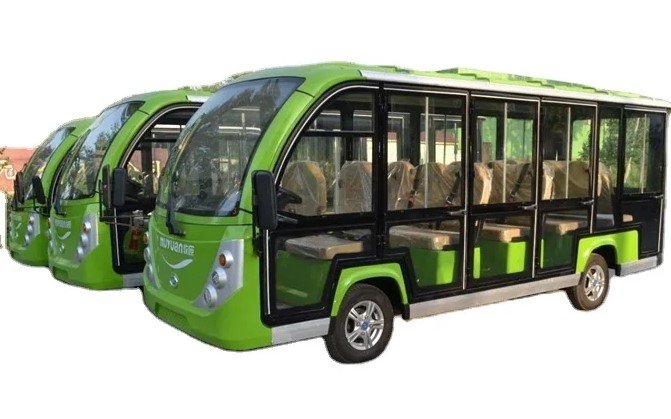
Twelve Nigerian universities have been selected to design and build electric shuttle buses using mostly local materials. The initiative is part of a new plan to boost local innovation and create eco-friendly transportation.
The Director-General of the National Automotive Design and Development Council (NADDC), Oluwemimo Osanipin, announced this during a stakeholders’ meeting in Uyo, Akwa Ibom State.
He said the buses will be 100% electric and fully designed in Nigeria. Each of the six geopolitical zones will be represented by two universities.
“We have gathered twelve universities, two from each geopolitical zone. They are designing what we call the university shuttle bus that is going to be electric 100%,” he said.
“It is going to be designed in Nigeria. Most of the parts are going to be sourced locally. So, they are on it,” Osanipin added.
Next Step: Assembling and Financing the Electric Buses
After the design phase, the universities will work with car manufacturers and financiers to begin production. The Bank of Industry and other institutions may help fund the project.
“When they are done, we will come together again with assemblers, auto-vehicle manufacturers and companies that can finance the project,” Osanipin said.
Electric vehicles are becoming more popular in Nigeria due to rising fuel prices and environmental concerns. A portable EV charger for home or university use is a useful tool for charging these buses.
To make the buses last longer and perform better, the teams may also explore using a solar panel battery maintenance kit, especially in areas with steady sunlight.
Stakeholders Call for Stronger Vehicle Regulation in Nigeria
Stakeholders at the meeting urged the government to regulate the auto industry for safety, revenue, and national security.
Engr. Ajibola Adedoyin, President of the Automotive Dealers of Nigeria, said vehicle imports must pass through registered dealers. This, he explained, will help track vehicles involved in crimes and boost government revenue.
“We feel it’s wrong for anybody to import a vehicle into the country without going through a registered dealer,” he said.
“Most of the atrocities are committed with vehicles. Apart from lost revenue, it creates security threats,” he added.
He also called for government policies that make vehicles more affordable and accessible to ordinary Nigerians.
This project is expected to create jobs, reduce reliance on imported cars, and support local talent in science and technology.
🔗 Some links in this article may be affiliate links. If you make a purchase, we may earn a small commission at no extra cost to you. This helps support our independent journalism.
Rate, Like 👍, Comment, share this article and Follow us on our social media handles.

 WhatsApp Channel
 Telegram Channel