




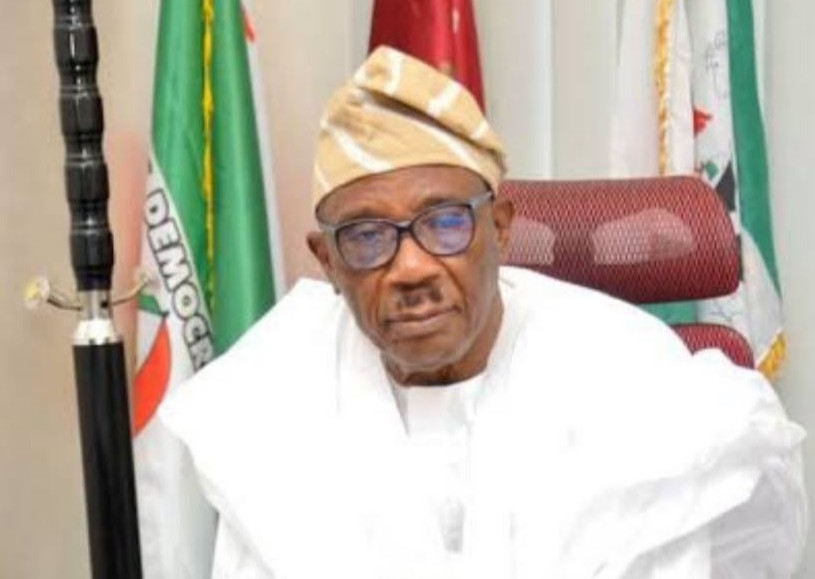
Amnesty International Nigeria says it will intensify its campaign against politicians who make statements capable of provoking violence during elections, with Senator Francis Fadahunsi becoming a central example in the organisation’s new push for accountability.
The Country Director, Isa Sanusi, said the controversy surrounding the Osun East Senator’s viral video would be used to demonstrate that political figures must face consequences for rhetoric that could endanger voters.
Fadahunsi, who represents Osun East Senatorial District in the National Assembly, has been at the centre of public debate after a video circulated online allegedly showing him telling supporters to “kill” members of the Accord Party ahead of the Osun governorship election.
He has denied the allegation, insisting the clip was edited and that his reference to “killing” was political, meaning voters should defeat the party at the polls.
Amnesty Says Remarks Cross Legal and Ethical Boundaries
Speaking during a television interview, Sanusi condemned the remarks attributed to the senator and said Amnesty would pursue accountability for politicians who use language capable of encouraging electoral violence.
He said the organisation would rely on its global network to expose individuals who promote hostility during campaigns.
“We are going to use him as an example because this is the first time. We had so many other terrible politicians say terrible things ahead of elections, but this one is exceptional,” Sanusi said.
He argued that an alleged instruction to “kill them wherever you find them” amounted to advocacy of hatred, which is prohibited under Nigerian law and international human rights standards.
Amnesty International, headquartered in London, operates in more than 150 countries and frequently reports on election‑related violence through its global channels.
Its work in Nigeria often focuses on human rights violations, security operations and civic freedoms, as documented in its annual reports available on amnesty.org.
Sanusi said stronger accountability was necessary to prevent a repeat of past election‑related violence, particularly as political parties mobilise supporters ahead of the 2027 general elections.
Police Question Senator as Election Tensions Rise
The controversy intensified days before the Osun governorship election, with Fadahunsi summoned by the police over the viral footage.
He appeared at the Osun State Police Command headquarters in Osogbo for questioning and was later released.
Addressing journalists, the senator again denied calling for physical attacks on political opponents, saying his statement was a metaphor for defeating the Accord Party through the ballot.
He said his reference to “killing” was directed at the party as a political force, not at its members or supporters.
The dispute has now shifted beyond the content of the recording to broader concerns over inflammatory language in Nigerian politics.
Institutions such as the Independent National Electoral Commission (INEC) have repeatedly warned that hostile rhetoric can escalate tensions during campaigns, especially in states with a history of election‑related clashes.
As parties intensify mobilisation ahead of the August 15 poll, civil society organisations and election observers continue to monitor statements made by political actors, urging restraint and responsible communication.

 WhatsApp Channel
 Telegram Channel