




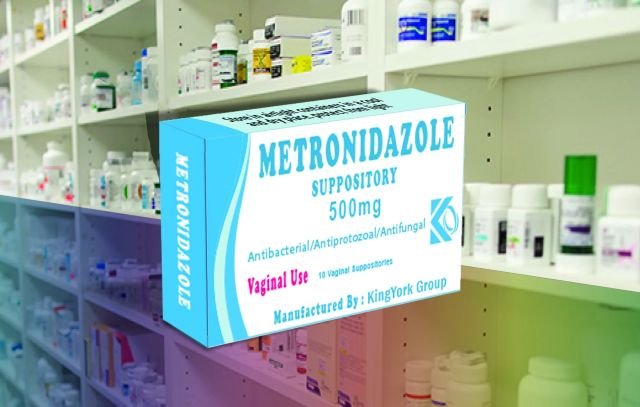
The Federal Government has announced a sweeping ban on the importation of several pharmaceutical products, including paracetamol and metronidazole, under a revised trade policy.
The directive, issued by the Federal Ministry of Finance on April 1, 2026, lists 17 categories of items now barred from entering Nigeria through any port.
Among the most sensitive aspects of the policy is the restriction on medicines classified under pharmaceutical import codes.
Affected drugs include paracetamol tablets and syrups, metronidazole, cotrimoxazole, chloroquine, aspirin, folic acid, multivitamins, and several topical antibiotics.
Under the new rules, these products must now be sourced locally, placing responsibility on Nigeria’s pharmaceutical sector to meet national demand.
Beyond pharmaceuticals, the ban extends to frozen poultry, beef, pork, and eggs, except for breeding purposes.
Refined vegetable oils packaged for retail sale, including palm, soybean, and sunflower oils, are also restricted, though crude forms remain allowed for industrial processing.
Household items such as detergents, soaps, and ballpoint pens are included, alongside construction materials like bagged cement and certain steel products.
Implications for Healthcare and Enforcement
The restriction on essential medicines is expected to impact healthcare delivery.
Industry stakeholders say success will depend on local manufacturers scaling production, maintaining quality, and ensuring consistent supply.
However, there are concerns about possible short-term shortages and price increases if local production does not meet demand quickly.
The Nigeria Customs Service has been directed to enforce the new regulations. Non-compliant imports will be seized, and offenders sanctioned.
Authorities say the move is part of a bigger policy to reduce dependence on imports, strengthen local industries, and stabilise the economy.
This policy is expected to boost local production in the long term, though its immediate impact may be felt across markets, pharmacies, and households.
The ban is a bold push for self-reliance. Do you commend the government, or does such a protectionist policy run afoul of international trade laws? And do you believe Nigeria’s pharmaceutical industry can rise quickly enough to meet the challenge of the nation’s urgent healthcare needs?

 WhatsApp Channel
 Telegram Channel